Explore Best Diet, BMI Calculator, Workouts and Fitness Guide
We use cookies to ensure that we give you the best experience on our website.
Wait, Listen!!! Avail upto 50% Discount
All the products we recommend to you all are authentic. We provide you the best platform to purchase with upto 50% discount for you at no extra cost. If you purchase from our link, you will get discount
If you have ever walked into a gym or browsed a fitness website, you have almost certainly come across the term “whey protein.” It is one of the most popular and well-researched nutritional supplements in the world. But what exactly is whey protein, and do you really need it? This guide explains everything in simple, clear language.
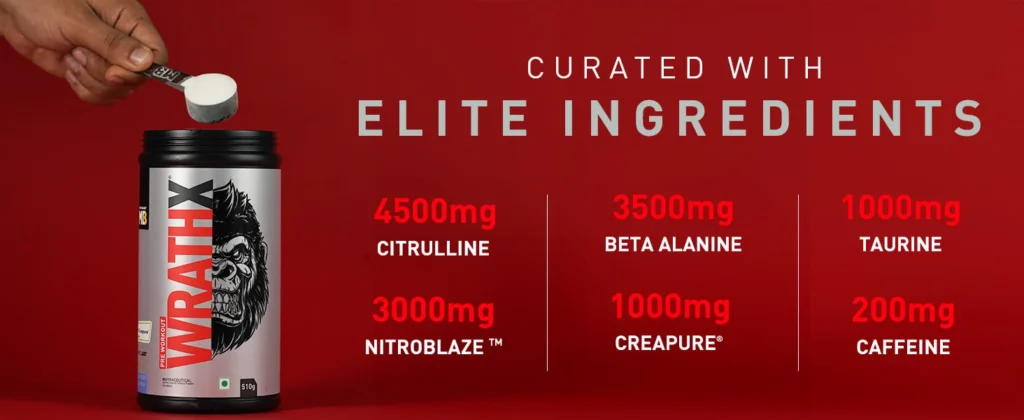
Muscle Blaze Preworkout to get Monster Pump
Table of Contents
What is Whey Protein?
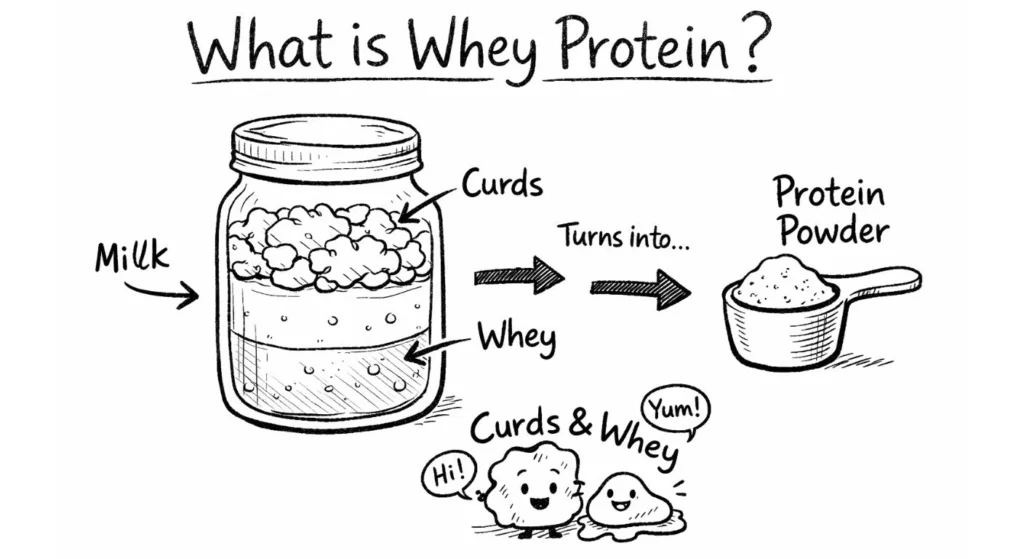
Whey protein is a high-quality, complete protein that is derived from cow’s milk. It is produced as a by-product during the process of making cheese. When milk is treated with enzymes to make cheese, it separates into two parts — a solid part called curd, and a liquid part called whey. That liquid whey is then processed and dried to create whey protein powder.
What makes whey protein stand out is that it is a complete protein, meaning it contains all nine essential amino acids that the human body cannot produce on its own. These amino acids are critical for building and repairing muscle tissue, producing enzymes and hormones, and supporting overall health.
Whey protein is also one of the fastest-absorbing proteins available. Your body digests and uses it very quickly after consumption, which is why it is particularly popular among athletes and fitness enthusiasts who want to speed up muscle recovery after a workout.
How is Whey Protein Made?
The production of whey protein follows a straightforward process. It begins on dairy farms, where cow’s milk is collected and sent to processing facilities.
During cheese production, special enzymes are added to milk to separate it into solid curds (used to make cheese) and liquid whey. This liquid whey is then filtered to remove fats, carbohydrates, and other non-protein components. What remains is a protein-rich liquid that is spray-dried at low temperatures into the fine powder you see in protein tubs at stores.
Depending on how much processing is done at this stage, the result is either Whey Protein Concentrate, Whey Protein Isolate, or Whey Protein Hydrolysate — the three main types of whey protein, which are explained in the next section.
Sponsored
Quick Fact
Whey protein was considered a waste by-product of the dairy industry for many years. It was only after researchers discovered its exceptional nutritional profile that it became one of the most commercially valuable supplements in the fitness world.
Types of Whey Protein
Not all whey protein is the same. There are three main types, each differing in how they are processed and their nutritional composition. Understanding the difference helps you choose the right product for your goals and budget.
Whey Protein Concentrate (WPC)
The most common and affordable form. Contains 70–80% protein along with small amounts of fat and lactose (milk sugar). It has a richer flavour due to the retained fats. Ideal for beginners and those without lactose intolerance. Best for everyday use and muscle building on a budget.
Whey Protein Isolate (WPI)
A more processed form that contains 90% or more protein with very low fat and almost no lactose. Better suited for people who are lactose intolerant or those who want a leaner supplement with fewer calories. It is more expensive than concentrate but offers a purer protein source.
Whey Protein Hydrolysate (WPH)
The most processed form. The protein chains are broken down into smaller fragments (peptides), making it the fastest-absorbing of all three types. Often used in medical protein supplements and infant formulas. It is the most expensive option and typically has a more bitter taste.
This video is only for Educational Purpose, all rights goes to the Respected YouTube Video Owner
Quick Comparison: WPC vs WPI vs WPH
Feature
Concentrate (WPC)
Isolate (WPI)
Hydrolysate (WPH)
Protein Content
70–80%
90%+
90%+
Lactose
Low
Very Low
Very Low
Fat Content
Moderate
Very Low
Very Low
Absorption Speed
Fast
Very Fast
Fastest
Price
Most Affordable
Moderate
Most Expensive
Best For
Beginners, Budget
Fat loss, Lactose sensitive
Post-surgery, Advanced users
Benefits of Whey Protein
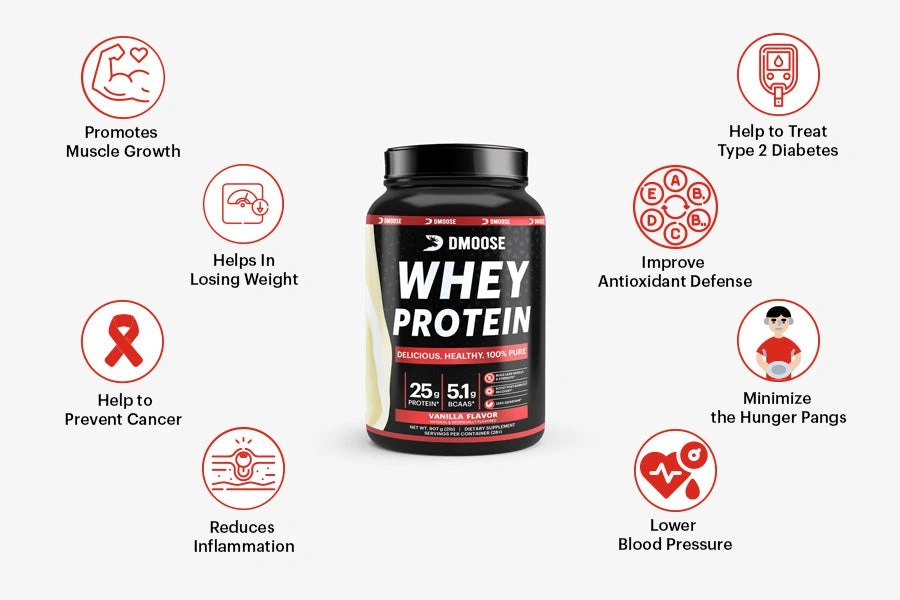
Whey protein is not just for bodybuilders. Research shows it offers a wide range of health benefits for people of all fitness levels. Here are the most significant ones:
Sponsored
1. Supports Muscle Growth and Recovery
This is the most well-known benefit of whey protein. When you exercise, especially through resistance training, your muscle fibres develop small tears. Protein — specifically the amino acid leucine found abundantly in whey — signals the body to repair and grow these muscle fibres. Consuming whey protein post-workout speeds up this recovery process and promotes greater muscle growth over time.
2. Helps with Weight Management
Protein is the most satiating macronutrient, meaning it keeps you feeling full for longer. Adding whey protein to your diet can reduce overall calorie intake by curbing hunger between meals. Studies have shown that high-protein diets support fat loss while preserving lean muscle mass — a combination that is valuable for anyone trying to manage their weight.
3. Improves Strength and Athletic Performance
Regular consumption of whey protein combined with resistance training leads to measurable improvements in strength and power. Athletes across sports — from cricket to football to powerlifting — use whey protein as a daily supplement to support training adaptations and reduce recovery time between sessions.
4. Boosts Immune Function
Whey protein contains a compound called lactoferrin as well as immunoglobulins — both of which play a role in immune defence. Some research suggests that regular whey protein consumption may help maintain and strengthen immune function, particularly in individuals under physical stress from intense training.
5. Helps Meet Daily Protein Requirements
Most Indians do not consume enough protein through their regular diet, particularly vegetarians. The average recommended daily protein intake is around 0.8 to 1 gram per kilogram of body weight for sedentary adults, and up to 1.6 to 2.2 grams per kilogram for active individuals. Whey protein is a convenient and efficient way to fill this gap without dramatically changing your eating habits.
Important Note
Whey protein is a supplement — meaning it supplements your diet, not replaces it. Always prioritise getting protein from whole food sources like eggs, chicken, fish, lentils, and dairy first. Use whey protein to top up your intake where food alone is not sufficient.
Sponsored
How to Use Whey Protein Correctly
Using whey protein correctly makes a significant difference in how effective it is. Here are the most important guidelines:
Recommended Dosage
One standard scoop of whey protein typically contains 24–30 grams of protein. For most adults, one to two scoops per day is sufficient to supplement a balanced diet. More than this rarely produces additional benefit and simply adds unnecessary calories and strain on the kidneys in the long term.
Best Time to Take Whey Protein
Post-Workout (Best Time): Consume within 30 minutes after exercise. This is when your muscles are most receptive to protein for repair and growth.
Morning: After an overnight fast, a protein shake in the morning helps prevent muscle breakdown and kick-starts your metabolism.
Between Meals: If you struggle to meet your protein targets through food alone, a mid-morning or mid-afternoon shake works well.
Avoid Before Bed: For nighttime protein, casein protein (a slower-digesting milk protein) is a better choice than whey, which is absorbed too quickly for sustained overnight release.
How to Mix It
The simplest method is to mix one scoop with 200–250 ml of water or low-fat milk in a shaker bottle. Mixing with milk adds extra protein and calories, making it better for muscle building. Mixing with water is lower in calories and faster to absorb, making it better for fat loss goals.
Side Effects and Who Should Be Careful
For the vast majority of healthy adults, whey protein is safe when used as directed. However, there are some cases where caution is warranted.
Who Should Be Careful
People with kidney disease, liver conditions, or milk allergies should consult a doctor before using whey protein. Those with lactose intolerance may prefer whey protein isolate (WPI) as it contains minimal lactose.
The most commonly reported side effects, especially in beginners, include:
Sponsored
Bloating and Gas: Often caused by lactose in whey concentrate. Switching to isolate usually resolves this.
Digestive Discomfort: Starting with a smaller dose and gradually increasing helps the digestive system adjust.
Increased Thirst: Higher protein intake requires more water to metabolise. Drink at least 2.5–3 litres of water per day.
Acne (Rare): Some individuals report mild skin breakouts. This may be related to hormones in dairy. Switching to plant-based protein is an alternative if this occurs.
Myth vs Fact
Myth: “Whey protein damages the kidneys.” Fact: In healthy individuals with no pre-existing kidney conditions, consuming whey protein within recommended amounts does not damage the kidneys. This myth has been debunked by multiple peer-reviewed studies. However, if you already have kidney issues, excess protein of any kind should be avoided or discussed with your doctor.
How to Choose the Right Whey Protein
The supplement market in India is flooded with hundreds of whey protein products, and not all of them are genuine. Here is how to make a smart, informed purchase:
Check the Protein Content per Serving: A quality whey protein should deliver at least 22–25 grams of protein per scoop. Be wary of products with unusually high amounts — they may be using amino acid spiking to inflate the numbers.
Look for Third-Party Testing: Choose products that are Informed Sport or NSF certified. This means they have been tested for banned substances and contaminants.
Read the Ingredient List: A clean whey protein should list whey protein as the first ingredient. Avoid products with excessive fillers, artificial colours, or unnecessary additives.
Buy from Authorised Sellers: In India, always purchase from official brand websites, authorised retailers, or trusted platforms like Amazon or Flipkart to avoid counterfeit products.
Match Type to Your Goal: If you are a beginner on a budget, WPC is perfectly fine. If you are lactose intolerant or focused on fat loss, go for WPI. Avoid WPH unless you have a specific medical or performance reason.
Frequently Asked Questions About Whey Protein
What is Whey Protein used for?
Whey protein is a complete, fast-absorbing protein derived from cow’s milk during cheese production. It is used primarily to support muscle growth and recovery after exercise, help meet daily protein requirements, and assist with weight management.
What are the types of Whey Protein
There are three main types: Whey Protein Concentrate (WPC) with 70–80% protein, Whey Protein Isolate (WPI) with 90%+ protein and very low lactose, and Whey Protein Hydrolysate (WPH) which is pre-digested for the fastest absorption. WPC is best for beginners, WPI for those with lactose sensitivity or fat loss goals, and WPH for advanced users.
Is whey protein safe for beginners ?
Yes. Whey protein is safe for most healthy adults, including beginners. It is a natural food-derived product. Beginners should start with one scoop per day and consult a doctor if they have any pre-existing kidney, liver, or digestive conditions.
Final Thoughts
Whey protein is one of the most thoroughly studied and effective nutritional supplements available today. Whether your goal is to build muscle, lose fat, recover faster from training, or simply increase your daily protein intake, whey protein offers a practical, convenient, and safe way to do it.
Sponsored
The key is to use it as part of a balanced diet and a consistent exercise routine — not as a magic solution. Choose the type that suits your needs and budget, follow the recommended dosage, and stay well hydrated.









[…] Read More: What is Whey Protein? Benefits, Types and How to Use It […]