Explore Best Diet, BMI Calculator, Workouts and Fitness Guide
We use cookies to ensure that we give you the best experience on our website.
Wait, Listen!!! Avail upto 50% Discount
All the products we recommend to you all are authentic. We provide you the best platform to purchase with upto 50% discount for you at no extra cost. If you purchase from our link, you will get discount
A high protein diet for weight loss is one of the most research-backed dietary strategies available today.
Protein reduces hunger hormones, increases fullness hormones, and boosts metabolism through a process called the thermic effect of food.
Most people trying to lose weight should aim for 1.2 to 1.6 grams of protein per kilogram of body weight daily.
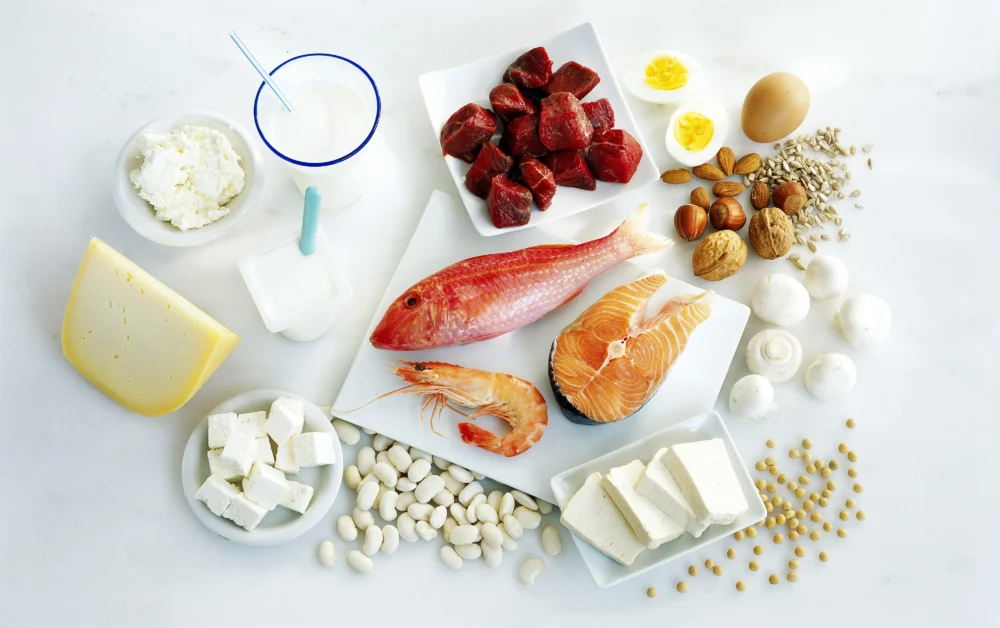
High protein foods include eggs, chicken, fish, legumes, paneer, Greek yoghurt, tofu, and cottage cheese.
A high protein diet preserves lean muscle mass during fat loss — something low-protein diets consistently fail to do.
You do not need expensive supplements to follow a high protein diet. Whole foods are sufficient for most people.
Table of Contents
You have been dieting for weeks. You are eating less, moving more, and yet the weight keeps coming back the moment you relax. Sound familiar?
The problem may not be your willpower. It may be the composition of your diet.
A high protein diet for weight loss is not a new trend or a fad. It is one of the most extensively studied and consistently proven dietary strategies in the history of nutrition science. Researchers, registered dietitians, and sports nutritionists across the USA, UK, Canada, and India consistently rank increased protein intake as one of the most effective tools for sustainable fat loss.
This guide gives you everything you need — the science, the practical steps, the food lists, and a sample meal plan — to start using a high protein diet to lose weight effectively and keep it off.
What Is a High Protein Diet?
A high protein diet is a dietary approach where protein contributes a larger percentage of your total daily calorie intake than the standard recommendation.
The standard Recommended Dietary Allowance (RDA) for protein is 0.8 grams per kilogram of body weight — this is the bare minimum to prevent deficiency, not the optimal amount for fat loss.
Sponsored
A high protein diet for weight loss typically means consuming between 25% and 35% of your total daily calories from protein, or approximately 1.2 to 2.2 grams of protein per kilogram of body weight per day, depending on your activity level and goals.
If you want to lose weight, the current evidence suggests aiming for a daily protein intake between 1.6 and 2.2 grams of protein per kilogram of body weight.
For context:
A 70 kg (154 lb) person aiming for fat loss should target approximately 112 to 154 grams of protein per day
A 60 kg (132 lb) woman should aim for approximately 96 to 132 grams of protein per day
Why a High Protein Diet Works for Weight Loss: The Science
The Thermic Effect of Food
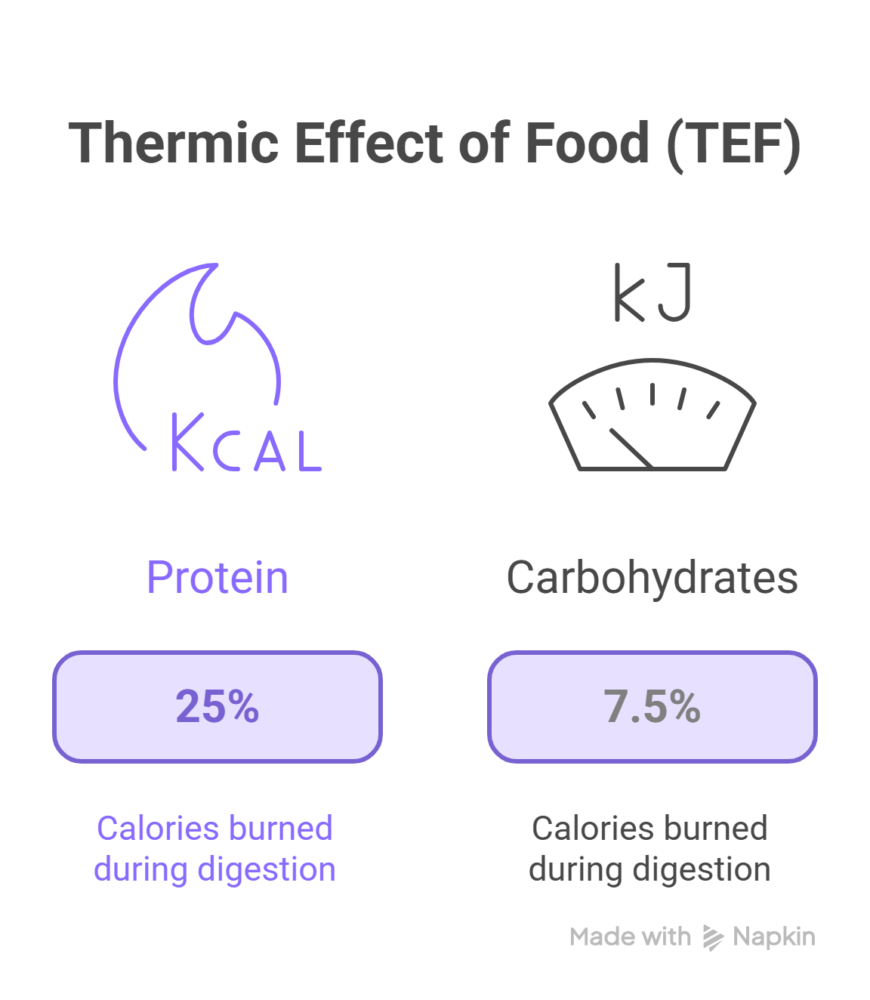
Every macronutrient requires energy to digest, absorb, and metabolise. This is called the Thermic Effect of Food (TEF). Protein has a significantly higher TEF than either carbohydrates or fat.
Studies have shown that protein has a metabolic advantage when compared to other macronutrients. When people eat high quantities of protein they lose weight and fat mass, maintain the weight loss, and burn more calories per day.
In practical terms, your body burns approximately 20–30% of protein calories during digestion itself. Compare this to just 5–10% for carbohydrates and 0–3% for fat. Eating more protein literally increases the number of calories your body burns at rest.
Protein Controls Hunger More Effectively Than Any Other Macronutrient
One of the most powerful effects of a high protein diet on weight loss is its ability to reduce appetite. Protein reduces levels of ghrelin — the primary hunger hormone — while simultaneously increasing levels of peptide YY and GLP-1, two satiety hormones that signal fullness to your brain.
Sponsored
A meta-analysis published in PubMed showed that compared to a standard protein diet, a higher protein diet led to greater reductions in body weight and fat mass, with increased preservation of lean muscle mass.
The result is that you naturally eat fewer calories without consciously restricting food. This is one of the primary reasons high protein diets produce better long-term results than simple calorie-cutting approaches.
Protein Preserves Muscle During Fat Loss
One of the biggest mistakes people make during weight loss is losing muscle alongside fat. When you lose muscle, your metabolism slows permanently, making it easier to regain weight — this is the “yo-yo dieting” cycle that affects millions of people worldwide.
A study comparing low protein intake (1.0 g/kg/day) to high protein intake (2.3 g/kg/day) during a caloric deficit found that the low protein group lost approximately 1.6 kg of muscle mass while the high protein group lost only 0.3 kg.
A high protein diet for weight loss therefore protects your metabolism while you lose fat — making it the superior strategy for sustainable, long-term results.
How Much Protein Do You Actually Need?
According to UCLA Health, most adults need between 0.8 and 1.6 grams of protein per kilogram of body weight, with athletes and avid exercisers needing 1.4 to 2 grams per kilogram.
For weight loss specifically, use this simple framework:
Sponsored
Your Lifestyle
Daily Protein Target
Sedentary (desk job, light activity)
1.2–1.4 g per kg of body weight
Moderately active (exercise 3–4x/week)
1.4–1.6 g per kg of body weight
Very active (exercise 5–6x/week)
1.6–2.0 g per kg of body weight
Athlete or heavy strength training
2.0–2.2 g per kg of body weight
According to the Mayo Clinic Health System, excessive protein intake is generally considered more than 2 grams per kilogram of body weight each day — so there is no need to go above this range for most people.
Calculate your Daily Protein Requierments :
Calorie Calculator – Click here and check the most advanced Calorie Calculator
Best High Protein Foods for Weight Loss
Animal-Based Protein Sources
Food
Protein Content
Chicken breast (100g cooked)
31g
Eggs (1 large)
6g
Tuna, canned (100g)
30g
Salmon (100g cooked)
25g
Greek yoghurt (200g)
20g
Cottage cheese / Paneer (100g)
11–18g
Low-fat milk (250ml)
8g
Plant-Based Protein Sources (Ideal for Vegetarians and Vegans)
Food
Protein Content
Lentils / Dal (1 cup cooked)
18g
Chickpeas / Chana (1 cup cooked)
15g
Black beans / Rajma (1 cup cooked)
15g
Tofu (100g)
8–10g
Edamame (1 cup)
17g
Quinoa (1 cup cooked)
8g
Hemp seeds (3 tbsp)
10g
High Protein Snacks
Hard-boiled eggs
Roasted chana (chickpeas)
Greek yoghurt with seeds
Cottage cheese with cucumber
A handful of mixed nuts
Protein smoothie with milk and banana
Step-by-Step Guide: How to Start a High Protein Diet for Weight Loss
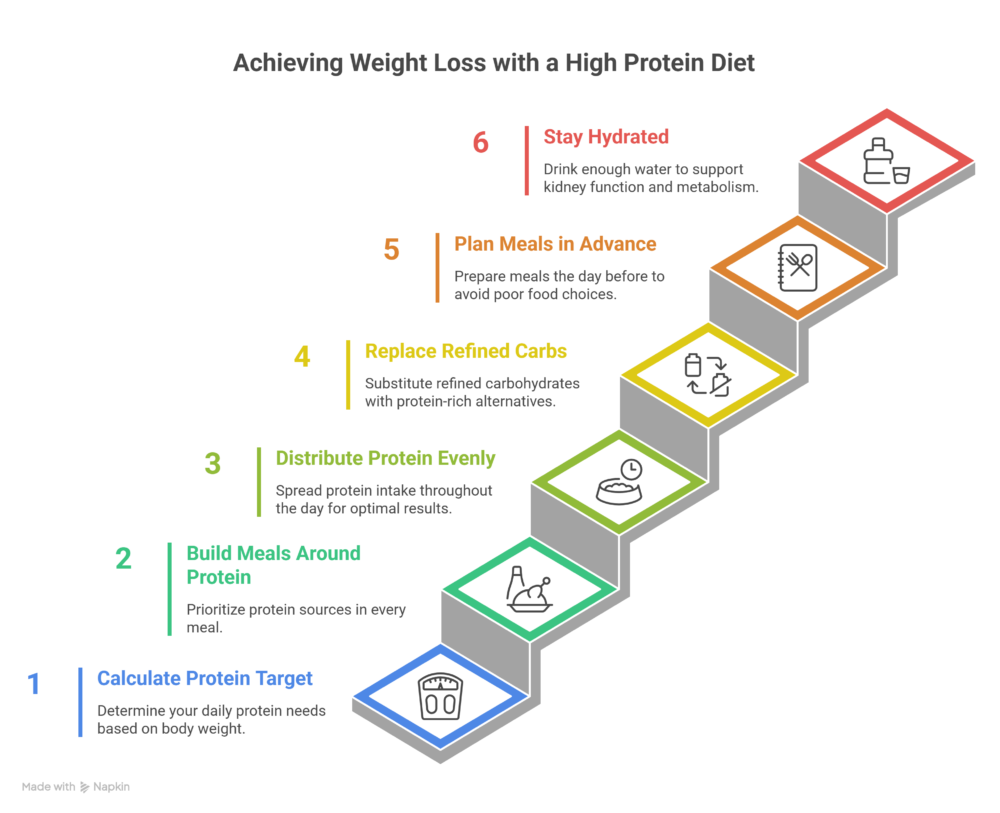
Step 1 — Calculate Your Daily Protein Target
Multiply your body weight in kilograms by 1.4 to 1.6. This is your daily protein target in grams. Use a free app like MyFitnessPal or HealthifyMe to track your intake for the first 2 weeks until it becomes habit.
Step 2 — Build Every Meal Around a Protein Source
Before you plan anything else on your plate, decide the protein first. Examples:
Breakfast: 3 scrambled eggs or a bowl of Greek yoghurt
Lunch: grilled chicken or dal with paneer
Dinner: baked fish or rajma with brown rice
Step 3 — Distribute Protein Evenly Across Meals
According to the International Society of Sports Nutrition, protein doses should ideally be evenly distributed every 3 to 4 hours across the day to maximise muscle protein synthesis and satiety.
Aim for 25 to 40 grams of protein per meal across 3 to 4 meals daily rather than consuming most of your protein in one sitting.
Sponsored
Step 4 — Replace Refined Carbohydrates with Protein
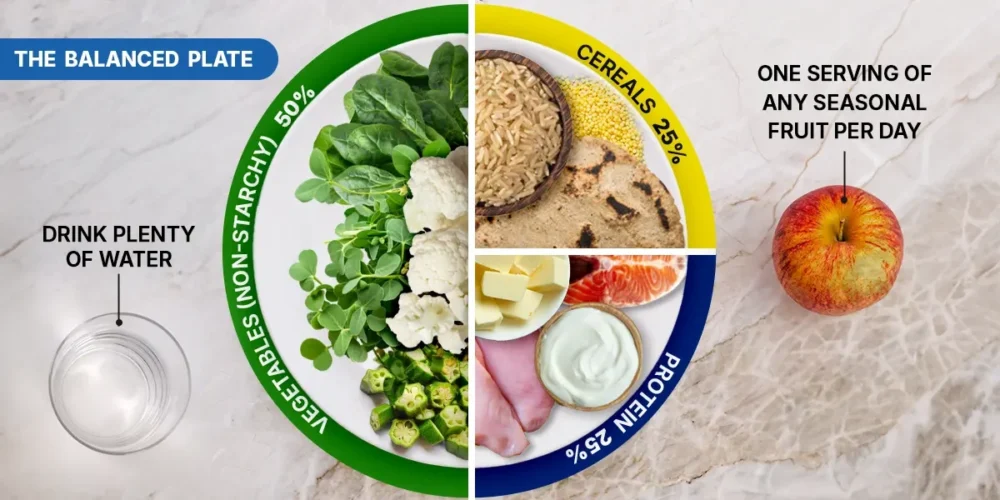
You do not have to eliminate carbohydrates. Instead, reduce refined carbs — white bread, biscuits, sugary drinks, fried snacks — and replace them with a protein-rich alternative. Replace a biscuit snack with roasted chana. Replace white bread toast with eggs.
Step 5 — Plan Your Meals One Day in Advance
Meal planning removes the decision-making pressure that leads to poor food choices. Spend 10 minutes each evening deciding your protein sources for the following day. Consistency over weeks and months is what drives results.
Step 6 — Stay Hydrated
A high protein diet increases the kidneys’ workload slightly as they process nitrogen from protein metabolism. Drink a minimum of 8 to 10 glasses of water daily to support kidney function and overall metabolism.
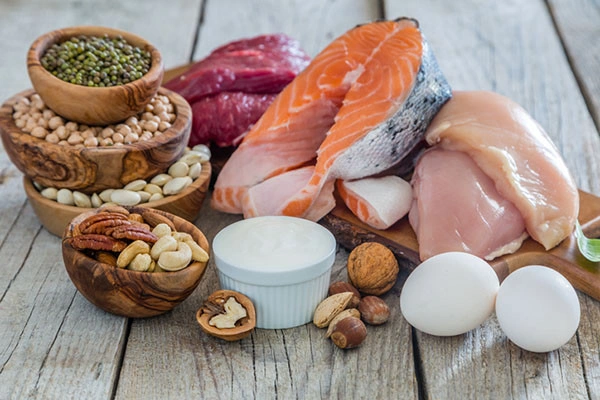
Best High Protein Food For Weight Loss – Autumn Bates
Sample High Protein Meal Plan for Weight Loss (One Day)
This plan provides approximately 140 grams of protein and 1,600–1,800 calories, suitable for a moderately active 70 kg individual.
Meal
Food
Protein
Breakfast (8:00 AM)
3 whole eggs scrambled + 1 cup low-fat milk
28g
Mid-Morning (11:00 AM)
Greek yoghurt (200g) + small apple
18g
Lunch (1:00 PM)
Grilled chicken (150g) + brown rice (1 cup) + salad
40g
Afternoon Snack (4:00 PM)
Roasted chana (50g) + black coffee
12g
Dinner (7:30 PM)
Dal (1 cup) + paneer (100g) + 2 small rotis + vegetables
35g
Total
~133g
For vegetarians and vegans: Replace chicken with tofu or soya chunks. Replace eggs with an additional serving of dal, paneer, or Greek yoghurt.
Pro Tips from Nutrition Experts
Pro Tip 1 — Prioritise Whole Food Protein Over Supplements Whole food protein sources come with additional nutrients — vitamins, minerals, fibre — that protein powders lack. Use protein supplements as a top-up when you consistently fall short of your daily target, not as a replacement for meals.
Sponsored
Pro Tip 2 — Eat Protein at Breakfast Starting your day with a high protein breakfast significantly reduces total calorie intake throughout the day. A breakfast of eggs or Greek yoghurt creates a satiety signal that persists for hours.
Pro Tip 3 — Do Not Fear Dietary Fat A high protein weight loss diet is not a no-fat diet. Healthy fats from avocado, nuts, olive oil, and oily fish support hormone production and help you feel full. The key is eliminating processed fats, not natural ones.
Pro Tip 4 — Combine Protein with Resistance Training A high protein diet produces significantly better fat loss outcomes when combined with resistance training. Even basic bodyweight exercises — squats, push-ups, lunges — performed three times a week will maximise the muscle-preserving benefits of increased protein intake.
Pro Tip 5 — Read Nutrition Labels Many packaged foods marketed as “healthy” or “diet” are actually low in protein and high in refined carbohydrates. Always check the protein content per 100g on food labels and prioritise items with at least 10g of protein per 100g.
Relying Only on Protein Shakes Liquid protein is digested quickly and does not provide the same satiety as solid food. Base your diet on whole food protein sources and use shakes only when necessary.
Ignoring Fibre Many people increase protein while reducing vegetables and fibre, which leads to digestive issues. Maintain a generous intake of vegetables, legumes, and whole grains alongside your protein sources.
Sponsored
Eating the Same Protein Source Every Day Variety is essential for both nutritional completeness and dietary adherence. Rotate between chicken, fish, eggs, legumes, dairy, and plant proteins across the week.
Expecting Overnight Results A high protein diet for weight loss works consistently over weeks and months. Most people notice reduced hunger within the first week, improved body composition within 4 to 6 weeks, and significant visual changes within 3 months of consistent effort.
Frequently Asked Questions
How quickly does a high protein diet for weight loss produce results?
Most people experience reduced hunger and fewer cravings within the first 1 to 2 weeks of increasing protein intake. Visible fat loss typically becomes apparent within 4 to 8 weeks when protein intake is combined with a moderate calorie deficit and regular exercise.
Is a high protein diet safe for kidneys?
For healthy individuals with no pre-existing kidney conditions, research consistently shows that high protein diets are safe. However, individuals with existing kidney disease should consult a nephrologist or registered dietitian before increasing protein intake, as higher protein loads can accelerate kidney stress in already-compromised kidneys.
Can vegetarians and vegans follow a high protein diet for weight loss?
Absolutely. Legumes, lentils, chickpeas, tofu, tempeh, edamame, paneer, Greek yoghurt, cottage cheese, quinoa, and hemp seeds are all excellent protein sources for plant-based eaters. A well-planned vegetarian or vegan high protein diet can meet all daily protein requirements without supplementation.
Should I take protein supplements on a high protein diet?
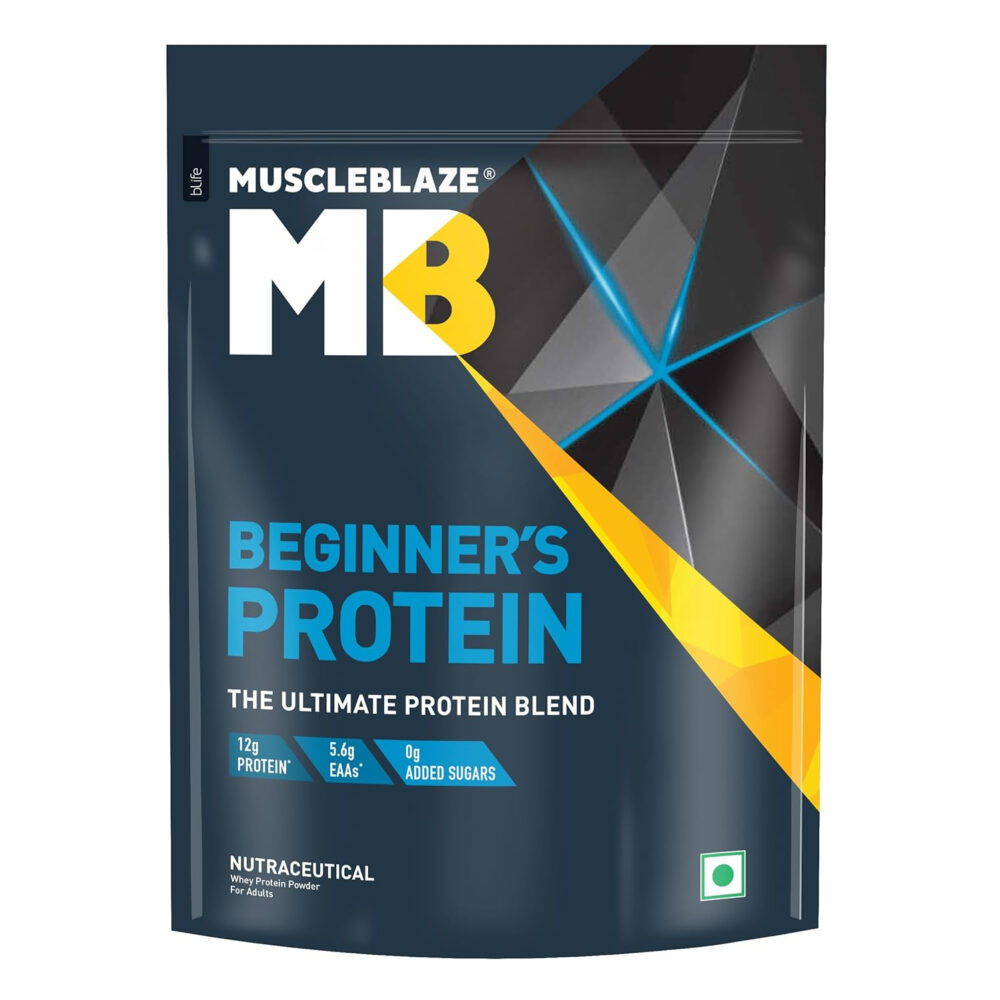
Protein supplements such as whey protein or plant-based protein powder are a convenient way to top up your intake when whole food sources are insufficient. However, they are not essential. If your diet already provides 1.4 to 1.6 grams of protein per kilogram of body weight from whole foods, supplements are optional.
Can I follow a high protein diet without going to the gym?
Yes. A high protein diet supports weight loss independently of exercise through improved satiety, increased metabolic rate, and better blood sugar regulation. However, combining it with even light resistance training or daily walking significantly improves fat loss outcomes and helps preserve muscle mass.
Sponsored
The Bottom Line
A high protein diet for weight loss is not a gimmick. It is one of the most consistently effective, well-researched, and practically achievable dietary strategies available — whether you are a beginner in India, a busy professional in the UK, an athlete in Canada, or someone just starting their health journey in the USA.
It works because it addresses the root causes of weight regain: constant hunger, muscle loss, and metabolic slowdown. By building your meals around quality protein sources, distributing intake evenly across the day, and combining it with moderate exercise, you create a sustainable fat loss environment that does not require willpower alone to maintain.
Start today. Pick one meal. Make it high in protein. Build from there.
Your lean life path begins with that first step.
Ready to take action? Browse our Best Diet for Weight Loss and to start building your personalised high protein weight loss diet today.
Medical Disclaimer
The information in this article is provided for educational and informational purposes only and does not constitute medical advice, diagnosis, or treatment. Always consult a qualified physician, registered dietitian, or certified nutritionist before making significant changes to your diet, especially if you have a pre-existing medical condition such as kidney disease, diabetes, cardiovascular disease, or any hormonal disorder. Individual results from dietary changes vary based on age, health status, genetics, activity level, and adherence. The author and LeanLifePath assume no liability for outcomes resulting from the application of information in this article.
If you have ever walked into a gym or browsed a fitness website, you have almost certainly come across the term “whey protein.” It is one of the most popular and well-researched nutritional supplements in the world. But what exactly is whey protein, and do you really need it? This guide explains everything in simple, […]
AFFILIATE DISCLOSURE: This article contains affiliate links. We may earn a small commission if you purchase through our links at no extra cost to you. Why Most Beginner Diets Fail Within Weeks You have decided to lose weight. You have cut carbs, skipped dinner, and tried every quick-fix diet you found online. Yet, weeks later, […]
Losing weight does not have to mean expensive gym memberships, personal trainers, or complicated diet plans. If you are a beginner wondering how to lose weight at home, you are in the right place. This guide breaks down everything you need to know — in simple, practical steps that work for both Indian and international […]
Enter your email address below and subscribe to our newsletter
One comment
[…] abs workout is a smart, science-backed blend of core strength, full-body training, and a healthy diet that creates a calorie deficit. Whether you’re a beginner, an athlete, or a busy professional […]







[…] abs workout is a smart, science-backed blend of core strength, full-body training, and a healthy diet that creates a calorie deficit. Whether you’re a beginner, an athlete, or a busy professional […]