Explore Best Diet, BMI Calculator, Workouts and Fitness Guide
We use cookies to ensure that we give you the best experience on our website.
Wait, Listen!!! Avail upto 50% Discount
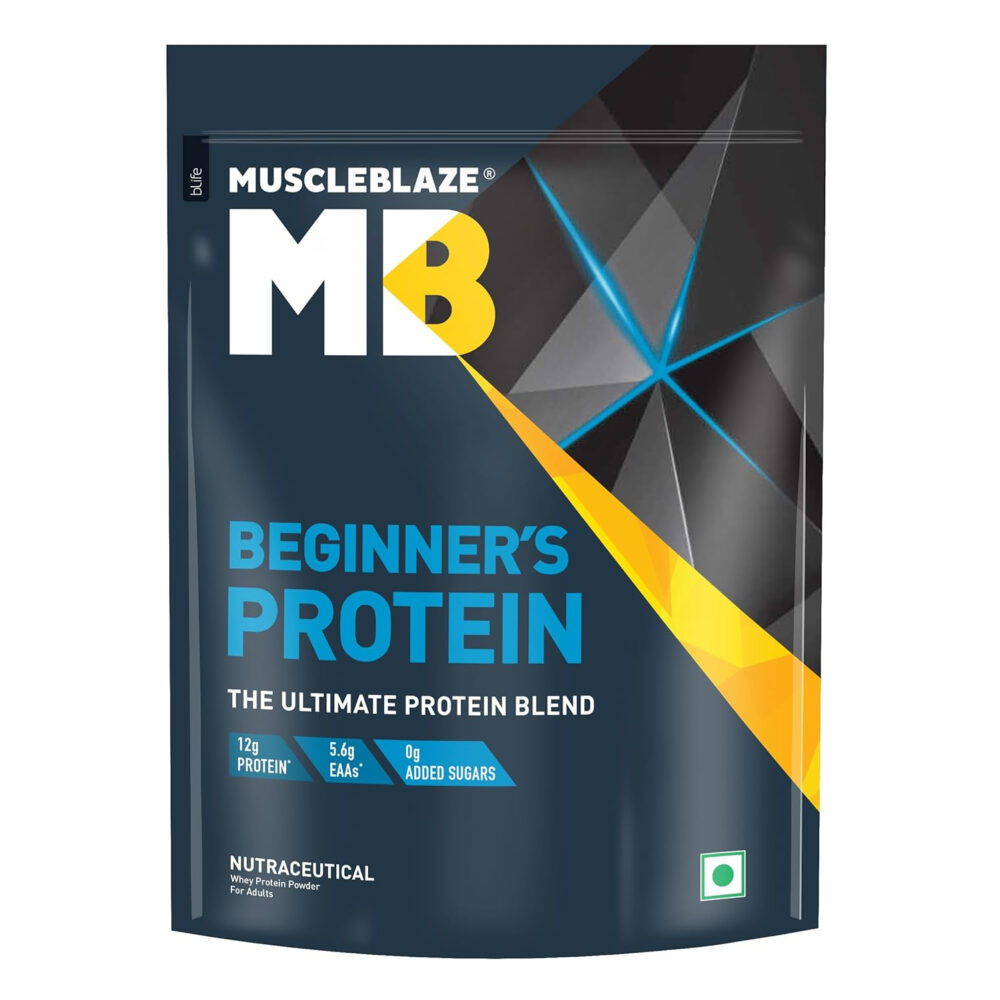
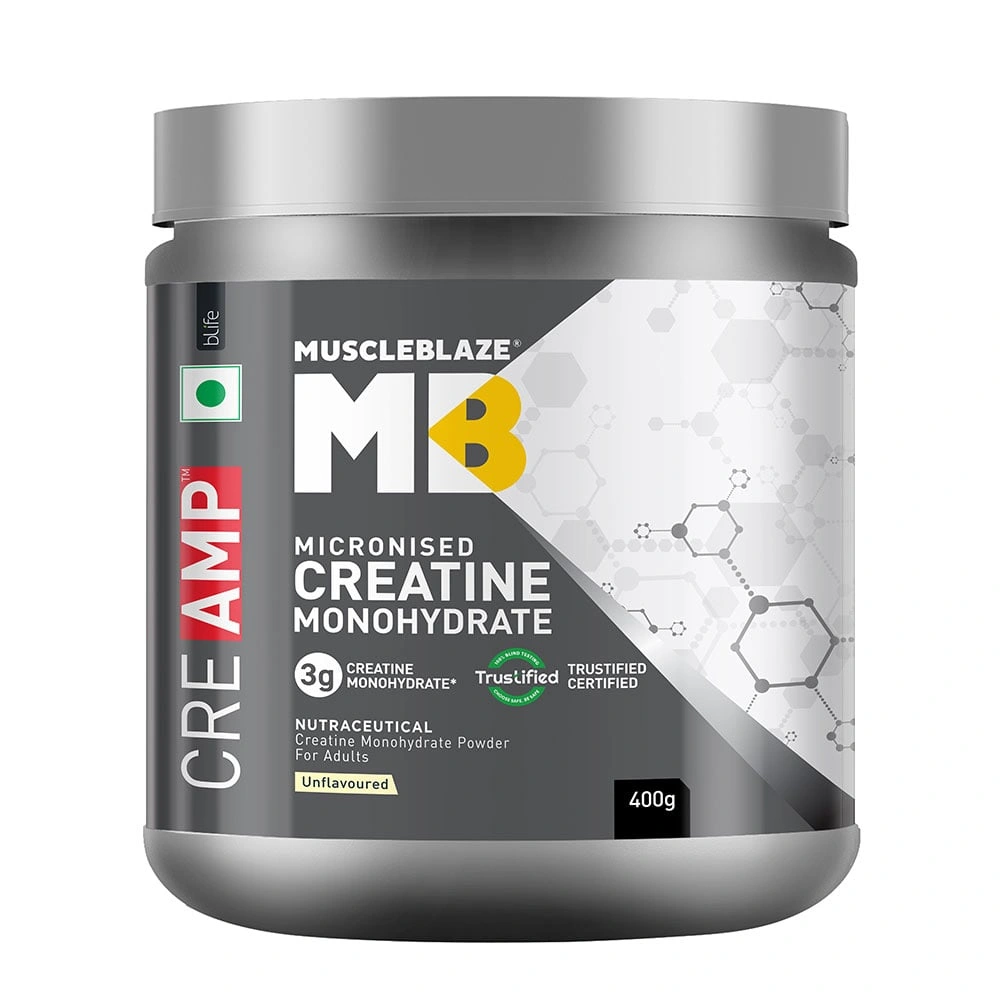
All the products we recommend to you all are authentic. We provide you the best platform to purchase with upto 50% discount for you at no extra cost. If you purchase from our link, you will get discount
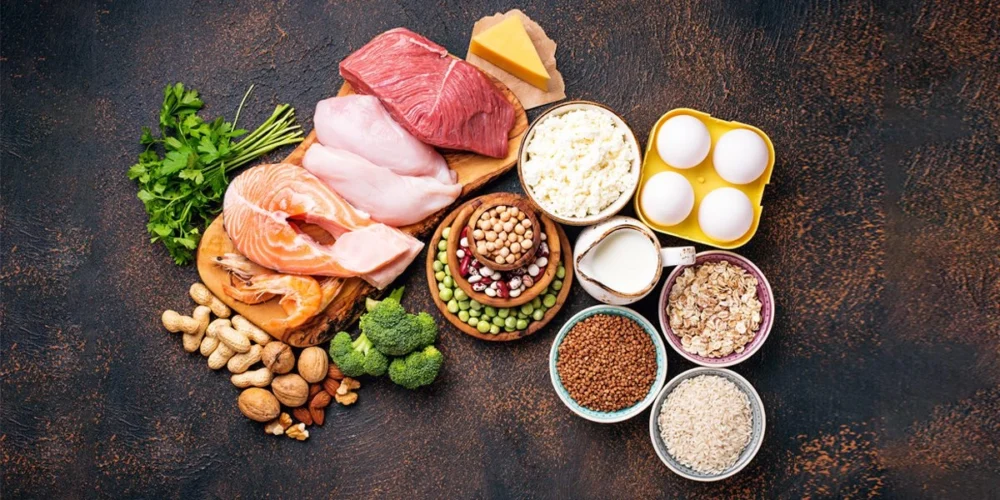
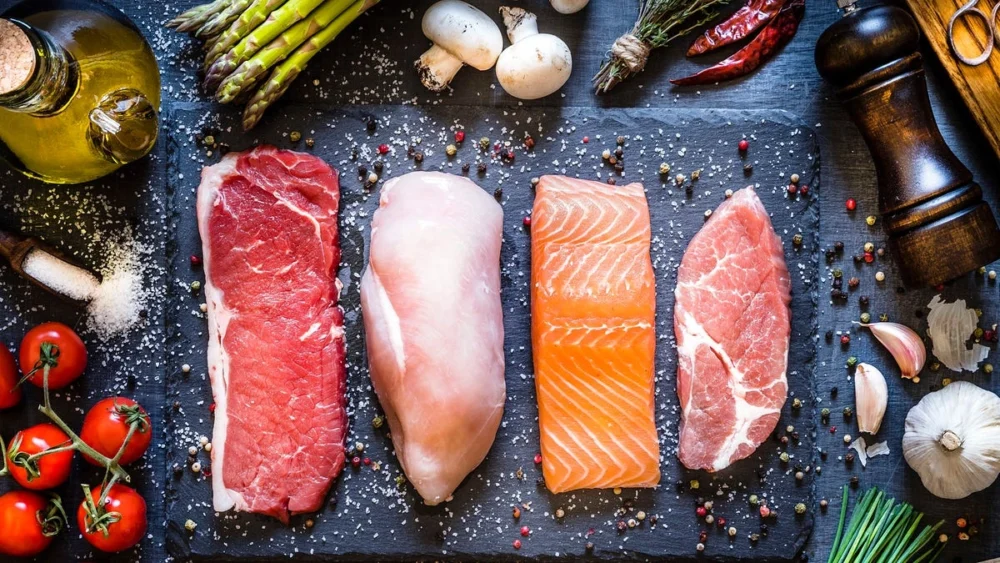
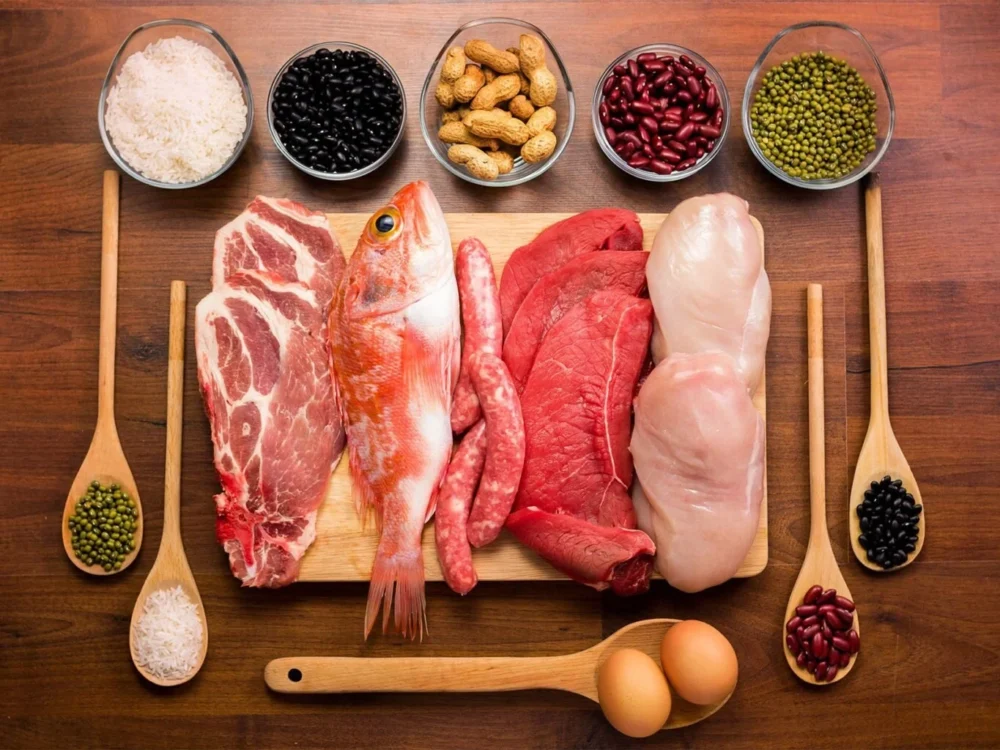
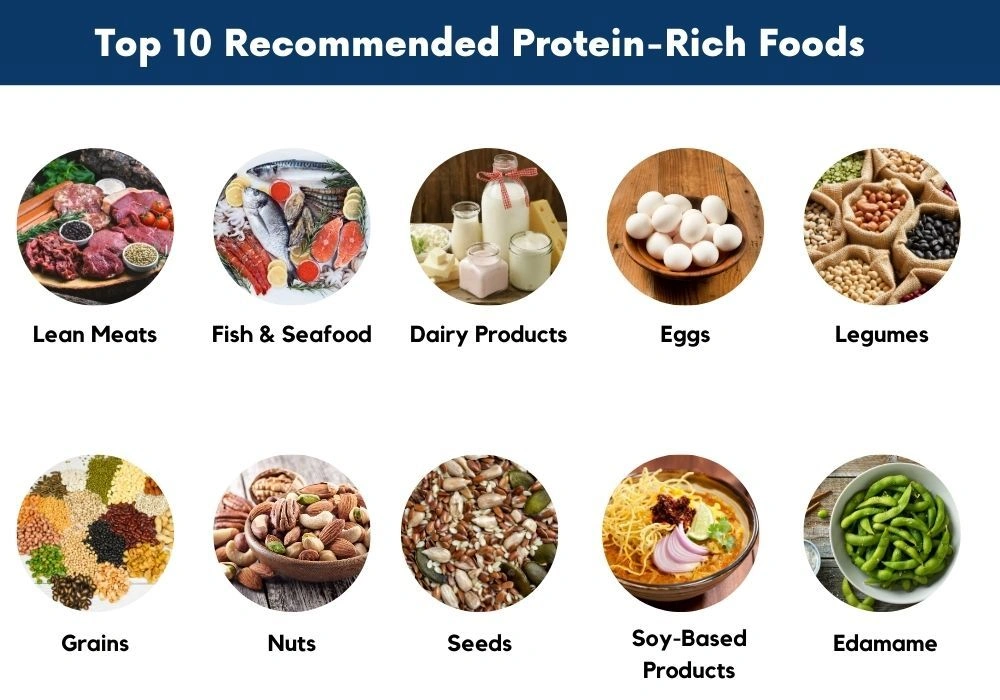
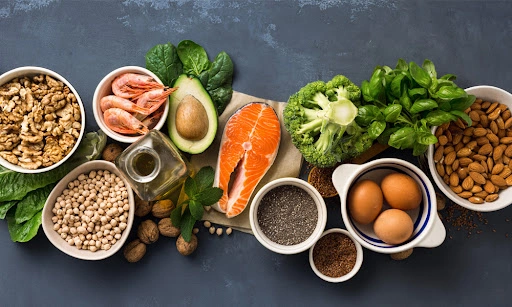
The best protein foods include chicken breast, eggs, Greek yogurt, lentils, tuna, paneer, and tofu — all rich in complete or complementary amino acids.
The 2025–2030 Dietary Guidelines for Americans recommend adults consume 1.2 to 1.6 grams of protein per kilogram of body weight per day.
Protein is the most satiating macronutrient, meaning it keeps you full longer, supports fat loss, and preserves muscle during a calorie deficit.
Both animal-based and plant-based protein foods can meet your daily protein needs effectively.
Spreading protein intake across all meals — rather than consuming it in one sitting — leads to better muscle protein synthesis and weight management.
Table of Contents
You eat well. You exercise when you can. But you still feel hungry two hours after a meal, your energy crashes by midday, and the scale refuses to move. Sound familiar?
The problem is almost certainly not how much you eat. It is what you eat. Specifically, most people are not eating enough of the right best protein foods — and it is quietly sabotaging their fat loss, muscle building, and overall energy throughout the day.
According to the 2025 Dietary Guidelines Advisory Committee, certain subgroups — particularly adolescent females, young women, and older adults — are at a higher risk of not consuming their recommended daily protein. And a 2024 International Food Information Council survey found that 71% of Americans were actively trying to increase their protein intake — yet most still fall short.
This comprehensive guide covers the 25 best protein foods for beginners, athletes, and busy professionals across the USA, UK, Canada, and India. Each food is backed by nutritional science, easy to find in local stores, and simple to incorporate into your daily healthy diet.
Why Protein Is the Most Important Macronutrient for Fat Loss and Muscle Building
Before diving into the list, it is important to understand why protein deserves a central place in every meal.
Protein is made up of amino acids — the building blocks your body uses to repair muscle tissue, produce hormones, support immune function, and regulate metabolism. Unlike carbohydrates and fats, protein has a high thermic effect, meaning your body burns approximately 20 to 30% of its calories during digestion alone.
The new 2025–2030 Dietary Guidelines for Americans prioritise a serving of protein with each meal and recommend a healthy intake range of 1.2 to 1.6 grams of protein per kilogram of body weight per day for adults.
Sponsored
Moreover, protein is the most satiating macronutrient. When you eat adequate protein, your body releases satiety hormones that reduce hunger, making it significantly easier to maintain a calorie deficit for weight loss without feeling deprived.
How Much Protein Do You Actually Need Per Day?
Your daily protein needs depend on your body weight, activity level, and goals.
Goal
Protein per kg of Body Weight
General health and maintenance
0.8 – 1.0 g/kg
Weight loss and fat loss
1.2 – 1.6 g/kg
Muscle building
1.6 – 2.2 g/kg
Athletes and intense training
2.0 – 2.4 g/kg
For a practical example: a 70 kg person aiming for fat loss should target 84 to 112 grams of protein per day. The best way to achieve this is by building every meal around high-quality protein foods.
Your Fitness Calculators
Calculate your daily calories, BMI, and Basal Metabolic Rate instantly.
Your Details
Age25 yrs
1580
Weight70 kg
30 kg200 kg
Height170 cm
130 cm220 cm
Gender
Activity Level
🔥
Fill in your details and click Calculate Calories to see your daily needs.
Your Details
Weight70 kg
30 kg200 kg
Height170 cm
130 cm220 cm
Gender
Age25 yrs
1580
⚖️
Enter your weight and height, then click Calculate BMI.
Your Details
Age25 yrs
1580
Weight70 kg
30 kg200 kg
Height170 cm
130 cm220 cm
Gender
💪
Enter your details and click Calculate BMR to see your metabolic rate.
Sponsored
The 25 Best Protein Foods for Every Diet and Lifestyle
Animal-Based Best Protein Foods
1. Chicken Breast
Protein content: 31g per 100g (cooked)
Chicken breast is arguably the most popular protein food in the world for good reason. It is lean, versatile, affordable, and packed with complete protein containing all nine essential amino acids. It fits perfectly into a calorie deficit meal plan because it delivers maximum protein with minimal fat.
Pro Tip: Batch-cook chicken breast on Sundays and use it across salads, wraps, and rice bowls throughout the week.
2. Whole Eggs
Protein content: 6g per large egg
Eggs are one of the most nutritionally complete foods on the planet. For years, eggs were thought to raise blood cholesterol, but research has since proven this is not the case for most healthy individuals. The yolk contains fat-soluble vitamins, healthy fats, and choline, while the white delivers pure protein.
Pro Tip: Do not discard the yolk. Whole eggs provide superior satiety and nutrient density compared to egg whites alone.
3. Canned Tuna
Protein content: 30g per 100g
Sponsored
Canned tuna is one of the most affordable and convenient best protein foods available globally. It requires zero cooking, is available in every supermarket from Mumbai to Manchester, and fits seamlessly into a healthy diet for weight loss.
4. Salmon
Protein content: 25g per 100g
Salmon combines high-quality protein with omega-3 fatty acids, which reduce inflammation, support brain health, and improve fat metabolism. It is an excellent choice for athletes and professionals who need both performance and recovery support.
5. Greek Yogurt
Protein content: 10g per 100g
Greek yogurt delivers twice the protein of regular yogurt with fewer carbohydrates. It also contains probiotics that support gut health — an often-overlooked factor in metabolism and fat loss. Choose plain, unsweetened varieties to avoid hidden sugar.
6. Cottage Cheese (Paneer / Chhena in India)
Protein content: 11–18g per 100g
Cottage cheese is rich in casein protein — a slow-digesting protein that provides sustained amino acid release for hours. This makes it one of the best protein foods to consume before bed to support overnight muscle recovery. In India, paneer serves a similar purpose and is a dietary staple for vegetarians.
Sponsored
7. Turkey Breast
Protein content: 29g per 100g
Turkey breast is leaner than chicken with an equally impressive protein profile. It is particularly popular in the USA and UK. Additionally, turkey contains tryptophan, which supports serotonin production and healthy sleep — critical for recovery and fat loss.
8. Lean Beef (Sirloin or Mince)
Protein content: 26–28g per 100g
Lean beef provides complete protein alongside iron, zinc, and B12 — nutrients that support energy production and immune function. Choose lean cuts or extra-lean mince to keep saturated fat intake within healthy limits.
9. Shrimp and Prawns
Protein content: 24g per 100g
Shrimp is an exceptional protein source that is very low in calories. It is widely consumed across India, Southeast Asia, the USA, and the UK, making it a genuinely global protein option. It cooks in under five minutes, making it ideal for busy professionals.
10. Low-Fat Milk
Protein content: 3.4g per 100ml
Sponsored
Milk provides whey and casein protein — the same proteins found in premium protein supplements — naturally and affordably. It also delivers calcium and Vitamin D, which support bone health and muscle function.
Plant-Based Best Protein Foods
11. Lentils (Dal)
Protein content: 9g per 100g (cooked)
Lentils are the cornerstone of plant-based protein in India and increasingly popular worldwide. They are rich in fibre, which slows digestion and stabilises blood sugar — making them outstanding for weight loss and sustained energy. Masoor dal, moong dal, and chana dal are all excellent choices.
12. Chickpeas (Chana)
Protein content: 9g per 100g (cooked)
Chickpeas are one of the most versatile plant proteins globally. Whether roasted as a snack, blended into hummus, or cooked in a curry, they provide a meaningful protein contribution alongside soluble fibre that supports cholesterol management and gut health.
13. Black Beans and Kidney Beans (Rajma)
Protein content: 8–9g per 100g (cooked)
Beans are among the most affordable protein foods in the world. Rajma chawal is not just a beloved Indian meal — it is a nutritionally balanced, high-protein dish that supports fat loss and muscle maintenance simultaneously.
Sponsored
14. Tofu
Protein content: 8–17g per 100g (varies by firmness)
Tofu is made from soy and is one of the few plant-based complete proteins, containing all essential amino acids. Firm tofu works well in stir-fries and curries. It absorbs the flavour of whatever it is cooked with, making it highly versatile.
15. Edamame
Protein content: 11g per 100g
Edamame — young green soybeans — are increasingly available across supermarkets in the USA, UK, Canada, and urban India. They make an excellent high-protein snack and can be added to salads and grain bowls effortlessly.
16. Quinoa
Protein content: 4.4g per 100g (cooked)
Quinoa is unique among grains because it is a complete protein. It is gluten-free, easy to digest, and works as a substitute for rice in most meals. Consequently, it is particularly valuable for individuals who are gluten-intolerant or following a plant-based diet.
17. Hemp Seeds
Protein content: 31g per 100g
Sponsored
Hemp seeds are one of the most protein-dense plant foods available. Just three tablespoons (30g) add approximately 9 grams of complete protein to any meal. They blend seamlessly into smoothies, oatmeal, and salads without affecting taste.
18. Chia Seeds
Protein content: 17g per 100g
Chia seeds are a powerhouse combination of protein, omega-3 fatty acids, and fibre. Two tablespoons provide approximately 4 grams of protein and 11 grams of fibre — making them one of the most satiating foods you can add to your healthy diet.
19. Peanuts and Peanut Butter
Protein content: 25–26g per 100g (peanuts)
Peanuts are the most accessible and affordable high-protein food across India, Africa, and large parts of Asia. Natural peanut butter with no added sugar or hydrogenated oil is an easy way to boost protein intake between meals.
20. Almonds
Protein content: 21g per 100g
A small handful of almonds (approximately 30g) provides 6 grams of protein alongside healthy monounsaturated fats, magnesium, and Vitamin E. They are an ideal protein-rich snack for busy professionals who need sustained energy between meals.
Sponsored
Dairy and Egg-Based Best Protein Foods
21. Whey Protein Powder
Protein content: 20–25g per scoop
Whey protein is not a food in the traditional sense, but it is one of the most efficient ways to meet your daily protein targets, especially post-workout. It is derived from milk, rapidly absorbed, and well-studied for its role in muscle protein synthesis.
22. Skyr (Icelandic Yogurt)
Protein content: 11g per 100g
Skyr is now widely available in the USA, UK, and Canada and delivers even more protein than Greek yogurt with a similarly thick, creamy texture. It is excellent as a breakfast base or post-workout snack.
23. Hard-Boiled Eggs
Protein content: 6g per egg
Hard-boiled eggs are the ultimate portable protein snack. Prepare a batch at the start of the week and keep them refrigerated for instant, no-preparation protein throughout the day.
24. Paneer (Indian Cottage Cheese)
Protein content: 18–20g per 100g
Sponsored
Paneer deserves its own entry separate from western cottage cheese because of its cultural significance and widespread use across India. It is a complete protein source and can be grilled, curried, or eaten raw in salads. For Indian vegetarians, paneer is one of the single best protein foods available.
25. Low-Fat Cheddar or Mozzarella
Protein content: 25g per 100g
Low-fat cheese varieties provide a meaningful protein boost and are easy to incorporate into everyday meals. Use them as toppings, in omelettes, or as a quick snack with whole-grain crackers.
Step-by-Step: How to Build a High-Protein Meal Plan
Here is a practical daily template using the best protein foods from this list:
Step 1 — High-Protein Breakfast Choose: 3 whole eggs scrambled with vegetables + 1 cup Greek yogurt Protein: approximately 35–40g
Step 2 — Mid-Morning Snack Choose: A handful of almonds + 1 hard-boiled egg Protein: approximately 12–15g
Step 3 — High-Protein Lunch Choose: Grilled chicken breast or paneer + lentil dal + brown rice + salad Protein: approximately 35–45g
Sponsored
Step 4 — Afternoon Snack Choose: 2 tablespoons peanut butter on whole-grain toast + low-fat milk Protein: approximately 15–18g
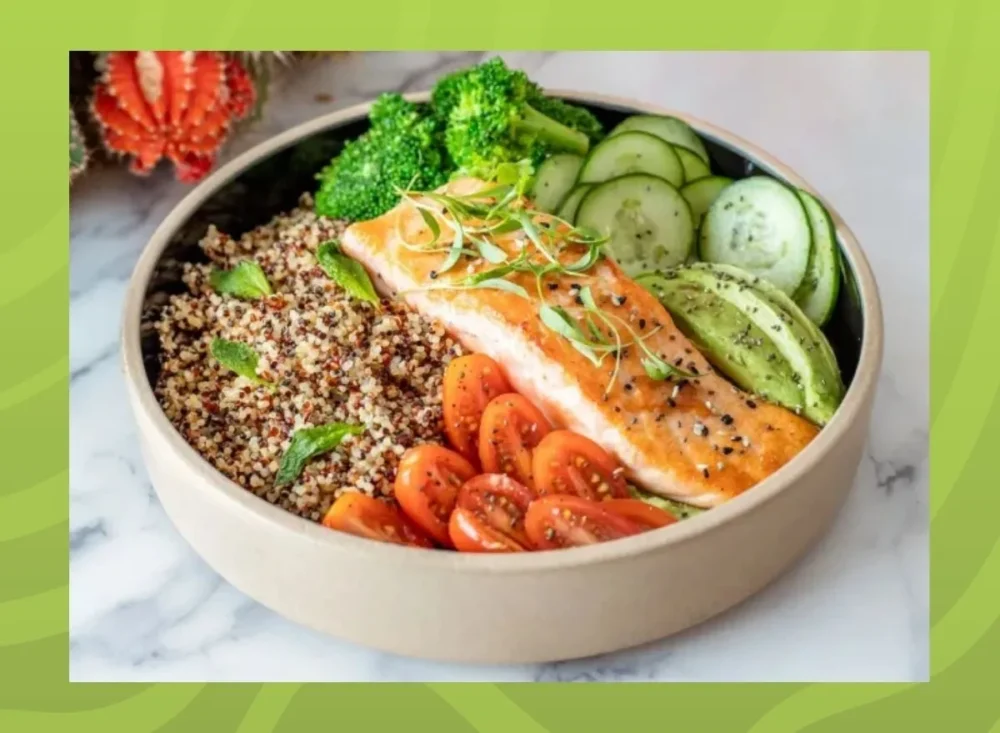
Step 5 — High-Protein Dinner Choose: Baked salmon or tofu stir-fry + quinoa + steamed vegetables Protein: approximately 30–35g
Daily Total: 125–155g protein — sufficient for most fat loss and muscle building goals.
Pro Tips to Maximise Your Protein Intake
Distribute protein evenly across meals. Research published in the American Journal of Clinical Nutrition shows that spreading protein intake across three to four meals optimises muscle protein synthesis compared to consuming most of it in one meal.
Prioritise whole food sources first. Supplements like whey protein are convenient, but whole foods provide additional micronutrients, fibre, and satiety that powders cannot replicate.
Combine plant proteins. Individual plant proteins are often incomplete — missing one or more essential amino acids. Combining complementary sources such as rice with lentils or hummus with whole-grain bread provides a full amino acid profile.
Read labels on packaged foods. Many products marketed as high-protein contain less than 10 grams per serving. Aim for at least 20 grams of protein per main meal to make a meaningful contribution to your daily target.
Sponsored
Frequently Asked Questions
What are the best protein foods for vegetarians and vegans?
The best plant-based protein foods include lentils, chickpeas, black beans, tofu, edamame, quinoa, hemp seeds, tempeh, and peanuts. Combining different plant proteins throughout the day ensures you consume all essential amino acids.
How much protein do I need per day to lose weight?
For fat loss, research supports a daily protein intake of 1.2 to 1.6 grams per kilogram of body weight. This higher intake preserves muscle mass during a calorie deficit and increases satiety, making it easier to eat less without feeling hungry.
Can I eat too much protein?
For most healthy adults, high protein intake is safe. However, individuals with pre-existing kidney disease should consult a doctor before significantly increasing protein intake. Extremely high intakes beyond 3 grams per kilogram of body weight are unnecessary and not supported by evidence for most people.
What are the best protein foods in India?
India offers exceptional protein sources including dal (lentils), rajma (kidney beans), chana (chickpeas), paneer, eggs, chicken, fish, curd (yogurt), and peanuts. These are affordable, widely available, and well-suited to traditional Indian cooking.
When is the best time to eat protein for muscle building?
Research suggests that consuming protein within one to two hours after resistance training maximises muscle protein synthesis. However, total daily protein intake matters far more than precise timing. Focus on hitting your daily target consistently first.
Final Thoughts
The best protein foods are not exotic, expensive, or difficult to find. They are everyday ingredients — eggs, lentils, chicken, yogurt, paneer, tuna, and beans — that most of us already have access to. The key is making them a deliberate, consistent part of every meal rather than an afterthought.
Whether you are a beginner starting your weight loss journey, an athlete trying to build muscle, or a busy professional in New York, London, Toronto, or Mumbai — protein is the one macronutrient you cannot afford to under-eat.
Sponsored
Start today. Audit your current meals, identify where protein is missing, and use this list to make one or two smart upgrades. The results — better energy, reduced hunger, visible fat loss, and stronger muscles — will follow.
Ready to build your lean body with the right foods? Explore our complete nutrition guides and supplement reviews on LeanLifePath for more science-backed, practical health advice.
Medical Disclaimer: This article is intended for informational and educational purposes only and does not constitute medical or nutritional advice. Protein requirements vary based on individual health conditions, age, activity level, and medical history. Always consult a registered dietitian, nutritionist, or qualified healthcare professional before making significant changes to your diet, especially if you have a pre-existing medical condition such as kidney disease, diabetes, or a metabolic disorder.