Explore Best Diet, BMI Calculator, Workouts and Fitness Guide
We use cookies to ensure that we give you the best experience on our website.
Wait, Listen!!! Avail upto 50% Discount
All the products we recommend to you all are authentic. We provide you the best platform to purchase with upto 50% discount for you at no extra cost. If you purchase from our link, you will get discount
AFFILIATE DISCLOSURE: This article contains affiliate links. We may earn a small commission if you purchase through our links at no extra cost to you.
Table of Contents
Why Most Beginner Diets Fail Within Weeks
You have decided to lose weight. You have cut carbs, skipped dinner, and tried every quick-fix diet you found online. Yet, weeks later, the scale has barely moved — and your motivation has collapsed entirely.
You are not alone. Research consistently shows that the majority of diets fail, often within weeks, and people who do lose weight typically regain it within a couple of years. The problem is almost never willpower. The problem is the wrong strategy.
The truth is that the best diet plan for weight loss for beginners at home does not need to be complicated, expensive, or extreme. It needs to be sustainable, science-backed, and personalised enough to fit your real lifestyle — whether you are in Mumbai, Manchester, Toronto, or Miami.
This guide gives you exactly that. A clear, proven, step-by-step plan you can start today without a gym, a personal trainer, or an expensive meal delivery service.
What Makes a Diet Plan Actually Work for Beginners?
Before diving into the plan itself, understanding the science behind weight loss is essential. Without this foundation, even the best meal plan will eventually fail.
The Calorie Deficit Principle
Every successful weight loss diet — regardless of its name or approach — works through one fundamental mechanism: a calorie deficit.
Sponsored
Most health professionals and registered dietitians recommend starting with a 500 to 750-calorie deficit to achieve healthy weight loss of one to two pounds per week. This is the scientifically safe and sustainable range for beginners.
Anything more aggressive than this risks muscle loss, metabolic slowdown, and rapid rebound weight gain. Start steady and stay consistent.
The Role of Protein and Fibre
Two nutrients stand above all others for beginner weight loss success.
MyFitnessPal data from 2025 showed that over 30 billion grams of protein were logged alongside 4 billion grams of fibre — confirming that these two nutrients are the most critical for keeping hunger under control while maintaining a calorie deficit.
Aim for 25 to 30 grams of protein per meal and 5 to 10 grams of fibre per meal. These two targets alone will dramatically reduce unnecessary snacking and cravings.
The Best Diet Plan for Weight Loss for Beginners at Home: 7 Proven Steps
The first step in any beginner weight loss diet plan is knowing your numbers. Use the NIH Body Weight Planner (available free online) or apps like MyFitnessPal and HealthifyMe (ideal for Indian users) to calculate your Total Daily Energy Expenditure (TDEE).
Sponsored
Once you have your TDEE, subtract 400 to 500 calories from it. This is your daily calorie target.
Pro Tip:Do not go below 1,200 calories per day if you are a woman, or 1,500 calories if you are a man. Eating too little slows your metabolism and makes weight loss harder over time.
Step 2: Build Your Plate Using the Balanced Plate Method
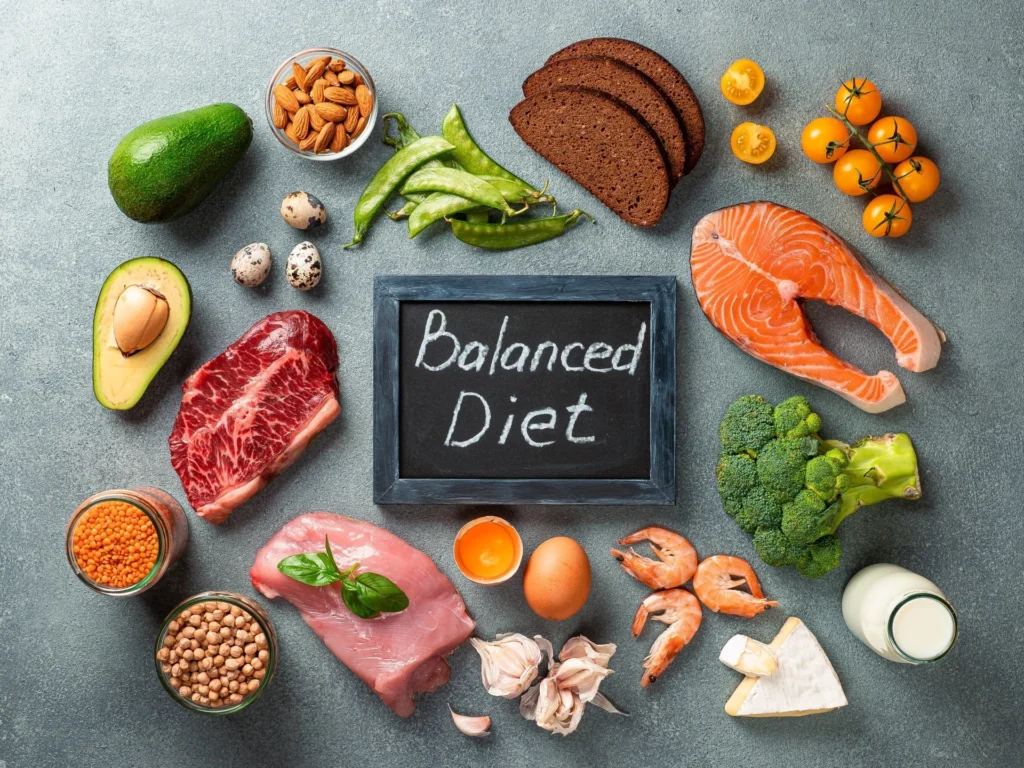
The easiest and most effective framework for beginners is the Balanced Plate Method, based on USDA MyPlate guidelines.
This evidence-based framework aligns with the Dietary Guidelines for Americans and helps remove the guesswork from meal building.
Healthy fat (small amount of ghee, olive oil, nuts, avocado)
Small amount
This method works equally well for Indian meals (dal, sabzi, roti), Western meals (grilled chicken, salad, rice), and everything in between.
Step 3: Choose the Right Diet Approach for Your Lifestyle
There is no single “best” diet. The best diet is the one you can follow consistently for months, not just days. Consequently, choosing an approach that fits your food culture and daily schedule is critical.
Sponsored
Option A: The Mediterranean Diet (Best Overall for Beginners)
The Mediterranean diet has been crowned the top-rated diet by U.S. News and World Report, built on whole foods that taste satisfying and keep you full without counting every calorie or eliminating entire food groups.
This approach emphasises vegetables, fruits, whole grains, legumes, lean protein, and healthy fats. It is flexible enough for both Indian and Western food cultures.
Option B: The Balanced Indian Diet (Best for Indian Readers)
For Indian beginners, you do not need to abandon your food culture. A balanced Indian diet for weight loss looks like this:
Breakfast: Vegetable poha, moong dal chilla, or oats with fruit
Dinner: Soup + light sabzi + 1 roti or a small bowl of brown rice
This plan provides adequate protein, fibre, and micronutrients while maintaining a comfortable calorie deficit.
Option C: High-Protein Low-Calorie Diet (Best for Athletes and Busy Professionals)
A common effective macronutrient ratio for weight loss is approximately 40% protein, which protects muscle mass and keeps you full, combined with adequate carbohydrates and fats.
This approach works particularly well for people who exercise regularly or have physically demanding jobs.
Step 4: Prioritise These Weight-Loss Friendly Foods
Foods to Eat More Of
Building your diet around these foods makes calorie control effortless and keeps hunger manageable:
Sugary beverages including sodas, packaged fruit juices, and excessive chai with sugar
High-calorie condiments (mayonnaise, cream-based sauces, excessive oil in cooking)
Pro Tip: You do not need to eliminate any food permanently. The 80/20 rule works well for beginners — eat clean and on-plan 80% of the time, and allow yourself flexibility for the remaining 20%.
Step 5: Master Meal Timing and Portion Control
When you eat matters almost as much as what you eat, especially for beginners trying to manage hunger throughout the day.
Consistency in meal timing regulates hunger hormones. Eating at roughly the same times daily and avoiding heavy meals within 3 hours of bedtime improves sleep quality and supports better metabolic function.
A practical meal timing framework for beginners:
Time
Meal
Purpose
7:00 – 8:00 AM
Breakfast
Kickstart metabolism, fuel the morning
12:30 – 1:30 PM
Lunch
Largest meal of the day
4:00 – 4:30 PM
Small snack
Prevent evening hunger and overeating at dinner
7:00 – 7:30 PM
Light dinner
Easy to digest, low calorie
Additionally, drinking 500ml of water 30 minutes before meals is a simple and effective strategy to naturally reduce portion sizes and prevent overeating.
Step 6: Track Your Progress Without Obsessing Over the Scale
Tracking is one of the most powerful habits in a beginner weight loss diet plan. However, tracking the right metrics prevents discouragement and keeps you focused on real progress.
Sponsored
What to track weekly:
Body weight (once per week, same day and time)
Waist and hip measurements (every two weeks)
Energy levels and sleep quality
Progress photos (once per month)
Moreover, do not rely exclusively on the weighing scale. Monitoring health victories beyond weight — such as improved energy, better sleep, reduced bloating, and improved fitness — can significantly motivate you to stay consistent.
Step 7: Avoid These 5 Critical Beginner Mistakes
Mistake 1: Eating Too Little Too Soon
Severely restricting calories causes metabolic adaptation. When you create a calorie deficit, your body increases hunger hormones and decreases energy expenditure — making weight loss harder the more aggressively you restrict. Start with a moderate deficit of 400 to 500 calories.
Mistake 2: Skipping Breakfast
Skipping meals leads to increased hunger later in the day, resulting in overeating at lunch or dinner. A protein-rich breakfast stabilises blood sugar and reduces total daily calorie intake.
Mistake 3: Drinking Hidden Calories
Juices, sodas, sweetened teas, lattes, and energy drinks can add 300 to 600 calories daily without any satiety benefit. Switching to water, black coffee, plain green tea, or black chai eliminates these hidden calories immediately.
Mistake 4: Relying Only on Cardio
Diet accounts for approximately 70% of weight loss results. Exercise accelerates progress but cannot compensate for a poor diet. Focus on nutrition first, then add movement.
Mistake 5: Expecting Results in One Week
In 2025, researchers found that cutting just 5% of body mass produces improved health markers including lower blood pressure, healthier cholesterol, and better sleep — even before dramatic visual changes occur. Trust the process beyond the first two weeks.
Sponsored
Sample 7-Day Beginner Weight Loss Meal Plan
Day
Breakfast
Lunch
Snack
Dinner
Mon
Oats + banana + black coffee
2 rotis + dal + sabzi + salad
Apple + 10 almonds
Vegetable soup + 1 roti
Tue
3 egg omelette + whole wheat toast
Brown rice + rajma + cucumber raita
Roasted chana
Grilled paneer + salad
Wed
Moong dal chilla + curd
2 rotis + chana sabzi + salad
Fruit bowl
Dal + 1 roti + spinach sabzi
Thu
Vegetable poha + green tea
Grilled chicken + brown rice + salad
Greek yoghurt
Vegetable soup + 2 eggs
Fri
Oats smoothie (milk + banana + oats)
2 rotis + dal tadka + bhindi
Mixed nuts (small handful)
Light khichdi + curd
Sat
Whole wheat toast + peanut butter + banana
Brown rice + fish curry + salad
Fruit
Tofu stir fry + soup
Sun
Vegetable upma + black coffee
Chicken/paneer wrap (whole wheat) + salad
Roasted makhana
Dal soup + 1 roti
This plan provides approximately 1,400 to 1,600 calories per day. Adjust portions based on your individual calorie target.
Frequently Asked Questions
What is the best diet plan for weight loss for beginners at home?
The best diet plan for beginners at home is a moderate calorie deficit diet built around the Balanced Plate Method — half your plate with vegetables, one quarter lean protein, one quarter complex carbohydrates, and a small amount of healthy fat. This approach is flexible, sustainable, and backed by strong scientific evidence. It works without any special equipment, expensive foods, or supplements.
How much weight can a beginner lose in 1 month with a diet plan?
A beginner following a consistent, science-backed diet plan can realistically lose 2 to 4 kg (4 to 8 pounds) in the first month. This depends on your starting weight, calorie deficit, activity level, and consistency. The first week may show a larger drop due to water weight reduction, followed by steady fat loss in subsequent weeks.
Can I lose weight at home without exercise just by dieting?
Yes. Diet alone can create a sufficient calorie deficit for weight loss. Research consistently shows that nutrition accounts for approximately 70% of weight loss results. However, combining a healthy diet with even moderate physical activity — such as a 30-minute daily walk — significantly improves results, preserves muscle mass, and improves overall health outcomes.
What foods should beginners avoid on a weight loss diet plan?
Beginners should reduce consumption of packaged and ultra-processed foods, sugary beverages, refined carbohydrates like white bread and maida, fried foods, and high-calorie condiments. These foods are calorie-dense, low in nutrients, and highly engineered to promote overeating. Replacing them with whole foods dramatically reduces daily calorie intake without hunger.
How long does it take to see results on a beginner weight loss diet?
Most beginners notice measurable changes — reduced bloating, improved energy, and initial weight loss — within the first 2 to 3 weeks of consistent dieting. Visible physical changes typically appear between weeks 4 and 8. Significant, lasting transformation requires a consistent effort of 3 to 6 months. Sustainable weight loss is a gradual process, not a quick fix.
Final Thoughts and Call to Action
The best diet plan for weight loss for beginners at home is not the most restrictive one — it is the one you can follow consistently, enjoy, and build into a lifelong habit.
Sponsored
Start with Step 1 today. Calculate your calorie target. Build your plate correctly. Choose whole foods over processed ones. Eat at consistent times. Track your progress honestly.
Do these five things for 90 days and the results will speak for themselves.
Your lean, healthy life is not a distant dream. It starts with the very next meal you eat.
Ready to take the next step? Explore these related guides on LeanLifePath:
Signos Health (2025). Calorie Deficit Meal Plan for Weight Loss. — signos.com
MyFitnessPal Nutrition Blog (2026). Calorie Deficit Meal Plan: What to Eat for Healthy Weight Loss.
Medical Disclaimer: The information provided in this article is for educational and informational purposes only and does not constitute medical advice, diagnosis, or treatment. Always consult your physician, registered dietitian, or qualified healthcare provider before making significant changes to your diet, especially if you have a pre-existing medical condition such as diabetes, heart disease, thyroid disorder, or kidney disease. Individual results vary. LeanLifePath is not responsible for any health outcomes resulting from the application of information in this article.
Losing weight does not have to mean expensive gym memberships, personal trainers, or complicated diet plans. If you are a beginner wondering how to lose weight at home, you are in the right place. This guide breaks down everything you need to know — in simple, practical steps that work for both Indian and international […]
If you want to know how to lose weight without gym at home, you are not alone. Millions of people lose weight every year without ever stepping into a gym — and science supports it. The real secret is not where you exercise. It is what you eat, how you move, and how consistent you […]
If you have ever walked into a gym or browsed a fitness website, you have almost certainly come across the term “whey protein.” It is one of the most popular and well-researched nutritional supplements in the world. But what exactly is whey protein, and do you really need it? This guide explains everything in simple, […]