Explore Best Diet, BMI Calculator, Workouts and Fitness Guide
We use cookies to ensure that we give you the best experience on our website.
Wait, Listen!!! Avail upto 50% Discount
All the products we recommend to you all are authentic. We provide you the best platform to purchase with upto 50% discount for you at no extra cost. If you purchase from our link, you will get discount
You have been exercising for weeks. The scale has barely moved. You feel frustrated, confused, and ready to quit.
Here is the truth: most people choose the wrong type of cardio for weight loss. They put in the hours but never get the results because their approach lacks structure, intensity, and scientific backing.
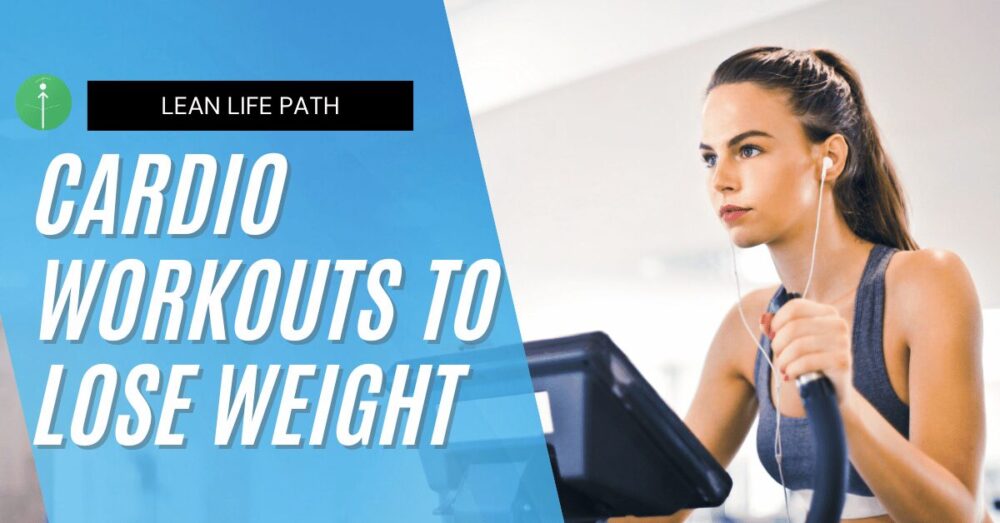
This guide changes that. Below, you will find the 10 most effective cardio workouts to lose weight, ranked by calorie burn and backed by real research — with a complete beginner plan you can start this week.
Key Takeaways
Cardio workouts to lose weight work best when combined with a calorie-controlled diet
HIIT burns 25–30% more calories than steady-state cardio in the same time period (Healthline, 2024)
A 2025 systematic review published in the Journal of Clinical Medicine found HIIT is most effective for fat reduction in individuals aged 18–30
The best cardio is the one you can perform consistently — 3 to 5 days per week
Combining cardio with strength training produces superior long-term weight loss results
Beginners should start with 20–30 minutes, 3 days per week, and progress gradually
Table of Contents
Why Cardio Is Essential for Weight Loss
Cardio, short for cardiovascular exercise, raises your heart rate and increases the amount of energy your body burns. When you burn more calories than you consume, your body begins to use stored fat as fuel. This process — a calorie deficit — is the foundation of every successful weight loss programme.
According to the Mayo Clinic, physical activity is critical not only for losing weight but for preventing weight regain after loss. Diet controls how much weight you lose. Cardio determines whether you keep it off.
Sponsored
Moreover, regular cardio exercise improves insulin sensitivity, reduces visceral belly fat, strengthens the heart and lungs, and significantly improves mood — all of which support a sustainable, long-term approach to weight management.
How Much Cardio Do You Actually Need to Lose Weight?
The World Health Organisation (WHO) recommends at least 150 minutes of moderate-intensity or 75 minutes of vigorous-intensity aerobic activity per week for general health. For meaningful weight loss, most exercise scientists recommend 200 to 300 minutes per week of moderate cardio.
Consequently, your weekly schedule should aim for:
Beginners: 3 sessions per week, 20–30 minutes each
Intermediate: 4 sessions per week, 30–45 minutes each
Advanced: 5 sessions per week, 45–60 minutes each
Consistency over intensity is the most important rule for beginners. Do not try to do 5 intense sessions in your first week. Build the habit first, then increase the challenge.
10 Best Cardio Workouts to Lose Weight
1. High-Intensity Interval Training (HIIT)
Calories Burned:500–1,500 per hour (depending on body weight and intensity)Best For: Beginners with time constraints, intermediate and advanced athletes
HIIT is the most scientifically validated cardio workout for weight loss available today. It involves alternating between short bursts of maximum effort and brief recovery periods.
Sponsored
A 2024 systematic review published in Nature found that HIIT produced superior weight reduction compared to moderate-intensity continuous training, with male participants losing 6.67% body fat with HIIT versus 2.74% with steady-state cardio. Additionally, a 2025 systematic review in the Journal of Clinical Medicine confirmed HIIT is most effective for fat reduction in individuals aged 18–30.
The afterburn effect — known scientifically as Excess Post-Exercise Oxygen Consumption (EPOC) — causes your body to continue burning calories for up to 24 hours after a HIIT session. This is what makes HIIT uniquely powerful for weight loss.
Calories Burned: 500–800 per hour Best For: All fitness levels, outdoor enthusiasts
Running is one of the most accessible and effective cardio exercises for weight loss. It requires no equipment, can be done anywhere, and engages nearly every major muscle group simultaneously.
A 2024 meta-analysis confirmed that running significantly reduces body weight, body fat percentage, and belly fat, particularly in individuals with obesity. Furthermore, outdoor running on varied terrain burns more calories than treadmill running due to wind resistance and surface changes.
Step-by-Step Running Plan for Beginners:
Sponsored
Week 1–2: Walk 5 minutes, jog 1 minute. Repeat 5 times. (30 minutes total)
Week 3–4: Walk 3 minutes, jog 2 minutes. Repeat 5 times.
Week 5–6: Walk 2 minutes, jog 5 minutes. Repeat 4 times.
Week 7–8: Jog continuously for 20–30 minutes at a comfortable pace.
Pro Tip: Invest in a proper pair of running shoes before starting. Poor footwear is the number one cause of running-related injuries in beginners.
Calories Burned: 600–800 per hour Best For: Home workouts, beginners, budget-conscious exercisers
Jump rope is arguably the most underrated cardio workout available. A single jump rope costs less than Rs. 500 in India or under $10 in the US and UK, making it the most cost-effective fat-burning tool in existence.
Skipping engages the calves, core, shoulders, and cardiovascular system simultaneously. At moderate intensity, it burns as many calories as running at 8 mph. Additionally, it improves coordination, balance, and agility — benefits that extend well beyond weight loss.
Beginner Skipping Routine:
Jump for 30 seconds, rest for 30 seconds
Complete 10 rounds (10 minutes total)
Progress to 45 seconds on, 15 seconds rest over 4 weeks
4. Cycling (Indoor and Outdoor)
Calories Burned:400–1,150 per hour (depending on intensity)Best For: Joint-sensitive individuals, beginners, busy professionals
Cycling is a low-impact cardio exercise that is exceptionally kind to your knees and hips while delivering high calorie burn at vigorous intensity. Indoor cycling or spin classes allow you to control resistance and simulate hill climbing, making them highly effective for weight loss.
Sponsored
According to fitness research, a vigorous indoor spin session can burn up to 1,150 calories per hour for a 180-pound individual. Even moderate cycling burns approximately 400–600 calories per hour — a meaningful contribution to any weight loss programme.
Pro Tip: Increase the resistance on your bike rather than pedalling faster. Higher resistance activates more muscle fibres and burns significantly more calories.
5. Swimming
Calories Burned: 500–700 per hour Best For: Individuals with joint pain, arthritis, or injuries
Swimming is the gold standard of low-impact cardio for weight loss. It engages every major muscle group in the body — arms, legs, core, back — while placing virtually zero stress on the joints. This makes it ideal for overweight individuals, older adults, and anyone recovering from injury.
Research data shows that freestyle swimming burns approximately 500–700 calories per hour, comparable to jogging but far easier on the body. Moreover, the resistance of water means muscles work harder with each stroke, supporting both fat loss and muscle toning simultaneously.
6. Brisk Walking
Calories Burned: 300–400 per hour Best For: Complete beginners, older adults, those with obesity
Do not underestimate walking. A recent meta-analysis found that every additional 1,000 steps per day reduces the risk of premature death by approximately 12%. For complete beginners or individuals with significant weight to lose, brisk walking is the safest and most sustainable entry point into cardio exercise.
Sponsored
Walking at 3.5 to 4 mph on a flat surface burns approximately 300–400 calories per hour. Adding inclines — either outdoors on hills or using a treadmill — increases calorie burn by 30 to 50%.
The 12-3-30 Method: Set a treadmill to 12% incline, speed 3 mph, walk for 30 minutes. A 2024 study published in the International Journal of Research in Exercise Physiology confirmed this method produces meaningful cardiovascular and calorie-burning benefits.
Losing weight does not have to mean expensive gym memberships, personal trainers, or complicated diet plans. If you are a beginner wondering how to lose weight at home, you are in the right place. This guide breaks down everything you need to know — in simple, practical steps that work for both Indian and international […]
AFFILIATE DISCLOSURE: This article contains affiliate links. We may earn a small commission if you purchase through our links at no extra cost to you. Why Most Beginner Diets Fail Within Weeks You have decided to lose weight. You have cut carbs, skipped dinner, and tried every quick-fix diet you found online. Yet, weeks later, […]
If you want to know how to lose weight without gym at home, you are not alone. Millions of people lose weight every year without ever stepping into a gym — and science supports it. The real secret is not where you exercise. It is what you eat, how you move, and how consistent you […]
Key Takeaways You have been dieting for weeks. You are eating less, moving more, and yet the weight keeps coming back the moment you relax. Sound familiar? The problem may not be your willpower. It may be the composition of your diet. A high protein diet for weight loss is not a new trend or […]
7. Rowing
Calories Burned: 500–700 per hour Best For: Full-body cardio, gym users, athletes
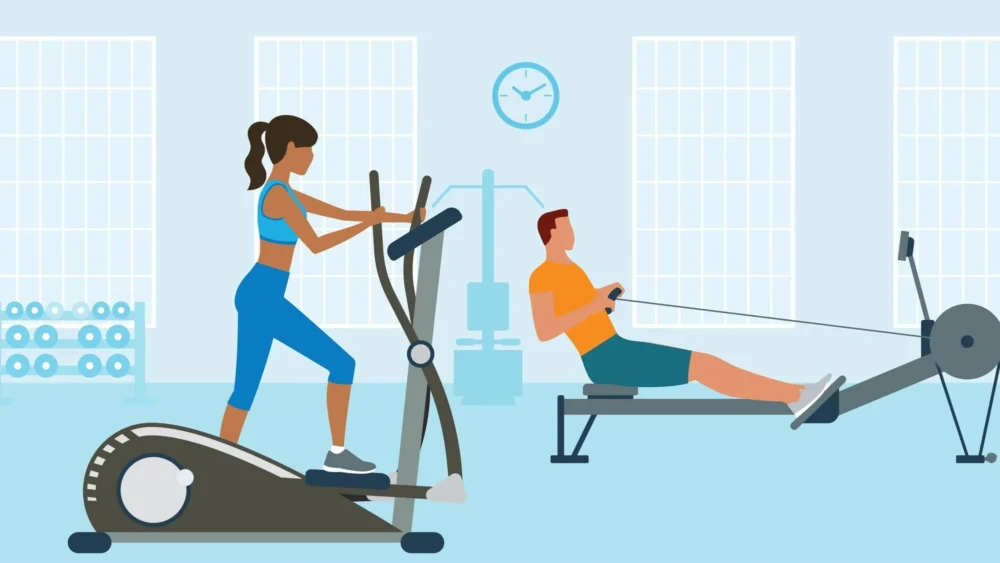
Rowing is one of the few cardio exercises that simultaneously trains the upper body, lower body, and core. It is estimated that approximately 60% of the rowing stroke comes from the legs and 40% from the arms and back — making it a uniquely balanced total-body workout.
At a moderate pace, rowing burns 500–700 calories per hour. At vigorous intensity, that number rises significantly. Additionally, rowing has minimal joint impact compared to running, making it suitable for most fitness levels.
Pro Tip: Maintain a controlled stroke rate of 20–30 strokes per minute and focus on driving through the legs — not pulling with the arms — to maximise efficiency and calorie burn.
8. Stair Climbing
Calories Burned: 500–700 per hour Best For: Home exercisers, apartment dwellers, office workers
Sponsored
Stair climbing requires no gym membership and no equipment. It significantly elevates heart rate, activates the glutes, quadriceps, and calves, and burns a surprisingly high number of calories in a short period.
Climbing stairs at a steady pace burns approximately 500–700 calories per hour. This makes it one of the most accessible high-calorie cardio options available, particularly for individuals in urban areas of India, the US, or UK who have access to staircases at home or work.
Pro Tip: Take two stairs at a time to significantly increase glute and hamstring activation and boost calorie burn by approximately 25%.
9. Dancing and Aerobics
Calories Burned: 300–600 per hour Best For: Those who dislike traditional workouts, beginners, women
The best workout is the one you enjoy enough to repeat. Dance-based cardio — including Zumba, aerobics, and dance workout videos on YouTube — burns 300 to 600 calories per hour while being genuinely enjoyable.
Consistency is the most powerful variable in any weight loss programme. If dancing keeps you exercising four times per week when running would keep you exercising once, dancing is the superior choice for your goals.
10. Kettlebell Cardio Circuits
Calories Burned: Up to 1,200 calories per hour (approximately 20 calories per minute) Best For: Intermediate to advanced exercisers, those short on time
Sponsored
Kettlebell training is not traditional cardio, but its calorie-burning effects are too significant to ignore. Research has measured kettlebell workouts burning approximately 20 calories per minute — comparable to running at a 6-minute mile pace.
Kettlebell swings, snatches, and clean-and-press circuits combine strength training and cardiovascular conditioning into a single, highly efficient workout. This makes kettlebell cardio one of the most time-effective options for weight loss.
Cardio Workouts for Weight Loss: Calorie Comparison Table
Cardio Exercise
Calories/Hour (75kg person)
Impact Level
Equipment Needed
HIIT
500–1,500
High
None
Sprinting
700–1,000
High
None
Kettlebell Circuits
800–1,200
Medium-High
Kettlebell
Jump Rope
600–800
Medium
Jump Rope
Running
500–800
Medium-High
Running Shoes
Indoor Cycling
400–1,150
Low-High
Bike
Rowing
500–700
Medium
Rowing Machine
Swimming
500–700
Low
Pool
Stair Climbing
500–700
Medium
Stairs
Brisk Walking
300–400
Low
None
The Best Cardio Plan for Beginners (4-Week Starter Programme)
Pro Tip: Track your sessions in a notebook or free app like Google Fit or HealthifyMe. Seeing your progress on paper is one of the most powerful motivators in any fitness programme.
5 Science-Backed Tips to Maximise Your Cardio Results
1. Pair Cardio With Strength Training A 2025 systematic review and meta-analysis confirmed that combining cardio and strength training produces superior weight loss outcomes compared to cardio alone. Strength training preserves lean muscle mass, which keeps your resting metabolism elevated even on rest days.
2. Exercise in the Morning on an Empty Stomach (Fasted Cardio) Some research suggests that low to moderate-intensity fasted cardio can increase fat oxidation. This is most effective for walking, light jogging, or cycling — not high-intensity workouts that require full glycogen stores.
3. Stay in the Right Heart Rate Zone For fat burning, aim for 60–70% of your maximum heart rate (Zone 2). Your maximum heart rate is approximately 220 minus your age. Zone 2 cardio is conversational — you can speak in short sentences but not sing.
4. Progressively Overload Your Cardio Increase either duration, intensity, or frequency by no more than 10% per week. This prevents adaptation — the process by which your body becomes efficient at a given exercise and burns fewer calories performing it.
Sponsored
5. Prioritise Sleep and Recovery Poor sleep elevates the hunger hormone ghrelin and reduces the fullness hormone leptin — causing you to eat more the day after a bad night. Seven to nine hours of quality sleep per night directly supports your cardio and weight loss results.
Frequently Asked Questions
How much cardio do I need to lose weight?
For meaningful weight loss, aim for 200 to 300 minutes of moderate-intensity cardio per week. This translates to approximately 40 to 60 minutes per day, 5 days per week. Beginners should start with 3 sessions of 20 to 30 minutes and progress gradually over 4 to 6 weeks.
Which cardio workout burns the most fat?
HIIT burns the most calories in the shortest time and produces the greatest fat loss results, particularly in individuals under 40. However, the most effective cardio workout for fat loss is ultimately the one you perform consistently. Consistency always outperforms perfection.
Can I lose weight with cardio alone without dieting?
ou can create a calorie deficit through cardio alone, but research consistently shows that combining exercise with a calorie-controlled diet produces significantly faster and more sustainable results. Diet controls approximately 70% of weight loss outcomes. Cardio accelerates and sustains the process.
Is 30 minutes of cardio a day enough to lose weight?
Yes, 30 minutes of moderate to vigorous cardio per day is sufficient to produce weight loss when combined with a sensible diet. The quality and intensity of those 30 minutes matters. Thirty minutes of HIIT produces greater results than 30 minutes of light walking.
What is the best time of day to do cardio for weight loss?
The best time is whenever you can do it consistently. Morning cardio on an empty stomach may slightly increase fat oxidation during low to moderate intensity sessions. Evening cardio often produces better performance due to higher body temperature and muscle readiness. Both produce effective weight loss results.
Your Next Step Starts Today
You now have everything you need. Ten proven cardio workouts to lose weight, a complete 4-week beginner programme, a calorie comparison table, and science-backed strategies to maximise every session.
Sponsored
The only thing standing between you and results is consistency.
Pick one workout from this list. Start with 20 minutes. Do it three times this week. Build from there. Your lean life path begins with a single session — and that session can be today.
Ready to take the next step? Read our complete guide to [Home Workouts for Beginners — No Equipment Needed] and discover how to combine cardio with strength training for even faster results.
Medical Disclaimer: The information provided in this article is for educational and informational purposes only and is not intended as medical advice. Always consult a qualified physician, certified personal trainer, or registered dietitian before beginning any new exercise programme, particularly if you have a pre-existing medical condition, injury, or health concern. Individual results will vary based on age, health status, fitness level, diet, and consistency.
References:
Jagsz S, Sikora M. The Effectiveness of HIIT vs. Cardio Training for Weight Loss in Patients with Obesity. Journal of Clinical Medicine. 2025;14(4):1282. doi:10.3390/jcm14041282
Jayedi A, et al. Aerobic Exercise and Weight Loss in Adults: A Systematic Review and Dose-Response Meta-Analysis. JAMA Network Open. 2024. doi:10.1001/jamanetworkopen.2024.52185
World Health Organization. Physical Activity Guidelines. https://www.who.int
Pelino LM, Diaz J, Dalleck LC. Physiological responses of the 12-3-30 workout. International Journal of Research in Exercise Physiology. 2024;20(1):12–23.