Explore Best Diet, BMI Calculator, Workouts and Fitness Guide
We use cookies to ensure that we give you the best experience on our website.
Wait, Listen!!! Avail upto 50% Discount
All the products we recommend to you all are authentic. We provide you the best platform to purchase with upto 50% discount for you at no extra cost. If you purchase from our link, you will get discount
If you want to know how to lose weight without gym at home, you are not alone. Millions of people lose weight every year without ever stepping into a gym — and science supports it. The real secret is not where you exercise. It is what you eat, how you move, and how consistent you are.
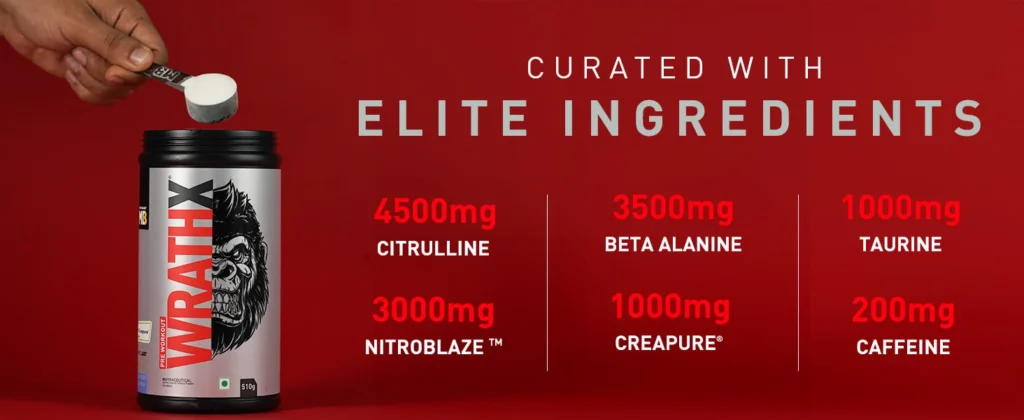
Muscle Blaze Preworkout to get Monster Pump
Table of Contents
This guide gives you a clear, honest roadmap to losing weight at home. No expensive equipment. No complicated meal plans. Just practical steps that work in real life.
Can You Really Lose Weight Without a Gym?
The short answer is yes — absolutely. A gym is a tool, not a requirement. Weight loss is driven by one fundamental principle: your body must burn more calories than it takes in. This can be achieved entirely at home through diet and movement.
Research consistently shows that diet accounts for roughly 80% of weight loss results. Exercise accelerates the process and improves body composition, but the majority of the work happens in the kitchen. This means you can lose significant weight without gym access, provided you are disciplined about what you eat and how active you stay throughout the day.
Key Fact
Studies show that dietary changes alone can produce substantial weight loss. Exercise enhances results, preserves muscle, and improves long-term weight maintenance — but diet is the primary driver of fat loss.
Step 1 — Understand the Calorie Deficit Principle
Before anything else, you need to understand why you lose weight. It comes down to one concept: the calorie deficit. When you consume fewer calories than your body uses in a day, your body taps into stored fat for energy. Over time, this leads to weight loss.
Sponsored
To lose approximately 0.5 kg per week, you need a daily calorie deficit of about 500 calories. You can achieve this by eating less, moving more, or combining both — which is the most effective approach.
How to Estimate Your Daily Calorie Needs
Simple BMI Calculator
BMI Calculator
Calculate Your BMR (Basal Metabolic Rate)
This is the number of calories your body burns at rest. For an average adult, BMR ranges between 1,400 and 1,800 calories per day. You can use any free BMR calculator online.
Multiply by Your Activity Level
A sedentary person multiplies their BMR by 1.2. A lightly active person uses 1.375. This gives your Total Daily Energy Expenditure (TDEE) — the calories you burn each day.
Subtract 500 Calories
Eat 500 fewer calories than your TDEE each day. This creates a safe, sustainable deficit that leads to approximately 0.5 kg of fat loss per week.
Important Warning
Never drop below 1,200 calories per day (women) or 1,500 calories per day (men) without medical supervision. Extreme calorie restriction slows your metabolism, causes muscle loss, and is not sustainable long-term.
Diet is the most powerful tool you have when learning how to lose weight without gym at home. You do not need a complicated meal plan. You need consistent, simple eating habits based on whole, natural foods.
Foods to Include in Your Diet
Lean Proteins: Eggs, chicken breast, paneer, dal, moong, fish, Greek yoghurt. Protein keeps you full longer and preserves muscle during weight loss.
Vegetables: Broccoli, spinach, cucumber, tomatoes, capsicum, cabbage, and all leafy greens. These are low in calories and high in fibre and nutrients.
Whole Grains: Brown rice, oats, whole wheat roti, quinoa, and millets. These digest slowly and provide sustained energy without blood sugar spikes.
Healthy Fats: Nuts (almonds, walnuts), seeds (flaxseeds, chia seeds), avocado, and olive oil in moderate amounts. Healthy fats keep hormones balanced and reduce cravings.
Fruits: Papaya, watermelon, guava, apple, berries, and oranges. Eat whole fruits rather than juice to retain fibre and avoid sugar spikes.
Foods to Avoid or Minimise
Avoid These Foods
Why They Cause Weight Gain
Sugary drinks (cola, packaged juice, chai with 3 sugars)
High in empty calories, spike insulin, increase fat storage
Digest quickly, cause blood sugar spikes, increase hunger
Fried foods (samosa, puri, pakoda)
Extremely high in calories and unhealthy fats
Excess alcohol
High in calories, disrupts sleep and metabolism
Practical Tip
You do not need to follow a perfect diet every single day. Follow the 80/20 rule: eat healthy 80% of the time and allow yourself some flexibility for the remaining 20%. This makes the diet sustainable over months, not just days.
Step 3 — Do These Home Workouts to Lose Weight
Exercise is not just about burning calories. It builds lean muscle, improves metabolism, and accelerates fat loss. The good news is you do not need a gym or any equipment to get an effective workout at home.
Beginner Home Workout Routine (No Equipment)
Aim for at least 30 minutes of exercise, 5 days a week. This routine can be done in your room with no equipment.
Walking is one of the most effective and accessible ways to burn extra calories. Aim for 8,000 to 10,000 steps per day. A brisk 30-minute walk burns approximately 150–200 calories and has zero impact on your joints. If you cannot go outside, walk indoors or march in place while watching television.
HIIT (High-Intensity Interval Training) at Home
HIIT involves alternating between short bursts of intense exercise and brief rest periods. A 20-minute HIIT session at home can burn as many calories as a 45-minute steady-state run. A simple HIIT structure: 40 seconds of exercise (e.g. squats), 20 seconds of rest, repeat for 20 minutes. Use exercises like burpees, high knees, jump squats, and mountain climbers.
Sponsored
Step 4 — Build Daily Habits That Support Weight Loss
Small daily habits compound into major results over time. If you want to lose weight without a gym at home, your daily routine matters as much as your workout and diet.
Drink Water Before Every Meal: Drinking a glass of water 15–20 minutes before eating reduces calorie intake by naturally suppressing appetite. Aim for 2.5 to 3 litres of water per day.
Never Skip Breakfast: A protein-rich breakfast (eggs, paneer, oats) stabilises blood sugar and reduces hunger and cravings throughout the day.
Eat Slowly and Mindfully: It takes approximately 20 minutes for your brain to register fullness. Eating slowly helps you eat less without feeling deprived.
Use Smaller Plates: Research shows that smaller plates reduce portion size naturally without the feeling of restriction.
Meal Prep on Weekends: Preparing healthy meals in advance removes the temptation to order junk food when you are tired or busy.
Avoid Late-Night Eating: Try to finish your last meal at least 2 to 3 hours before going to sleep. Late-night eating is closely associated with fat storage and poor sleep quality.
Take the Stairs and Walk More: Incorporate more movement throughout the day. Use stairs instead of lifts, walk while on the phone, and take short breaks from sitting every hour.
Step 5 — Prioritise Sleep and Manage Stress
Sleep and stress are two of the most overlooked factors in weight loss. No matter how well you eat or how often you exercise, poor sleep and chronic stress can stop your progress entirely.
Sleep and Weight Loss
When you sleep less than 6 hours per night, your body produces more ghrelin (the hunger hormone) and less leptin (the fullness hormone). This combination makes you hungrier the next day, particularly for high-calorie, sugary foods. Aim for 7 to 8 hours of quality sleep every night. A consistent sleep schedule — going to bed and waking up at the same time daily — is more important than total hours alone.
Stress and Weight Gain
Chronic stress raises cortisol levels in the body. Elevated cortisol promotes fat storage, particularly around the abdomen, and increases cravings for comfort foods. To manage stress, incorporate simple practices like 10 minutes of morning meditation, deep breathing exercises, a short evening walk, or journaling before bed. Even a 5-minute breathing practice can measurably reduce cortisol levels.
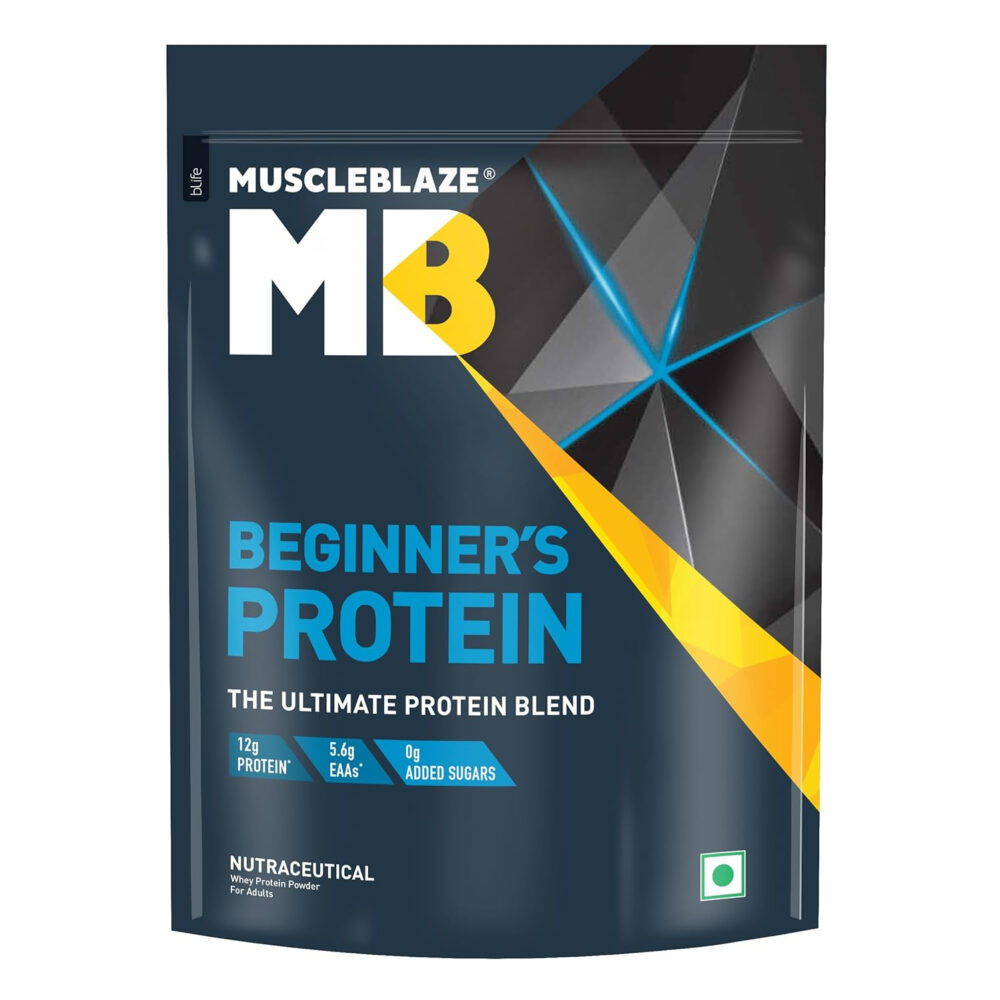
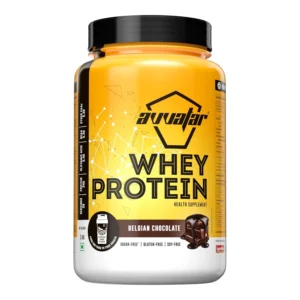
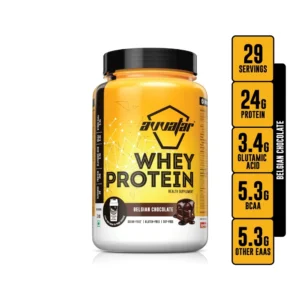
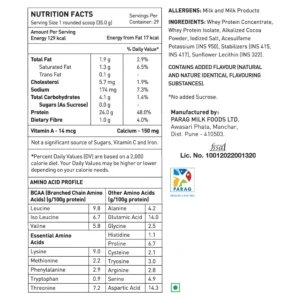
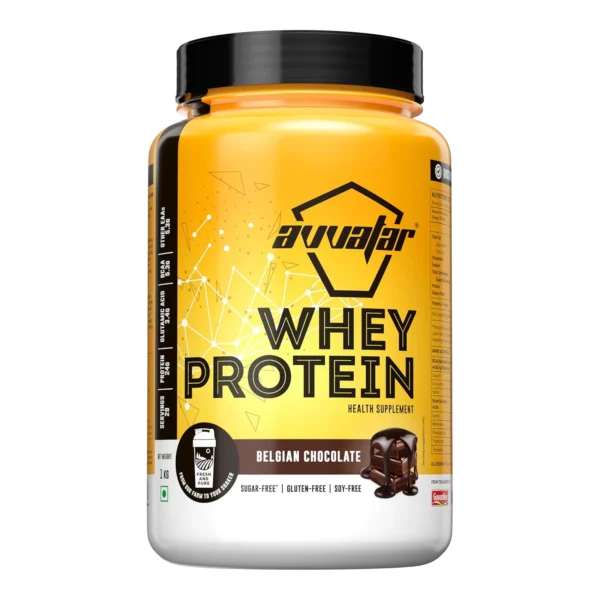
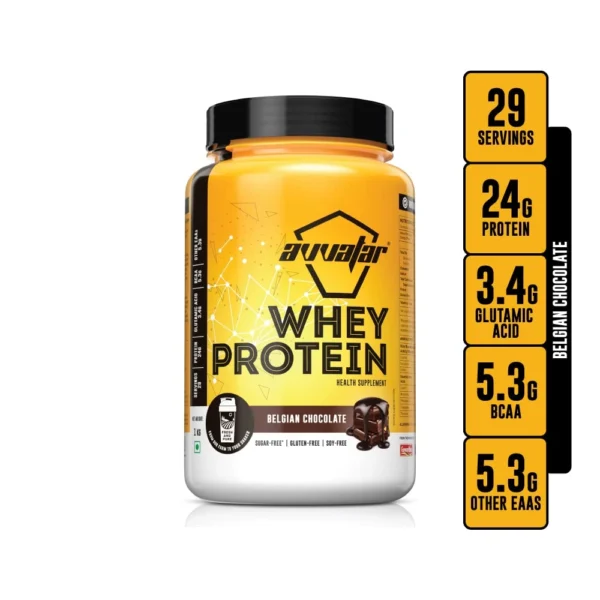
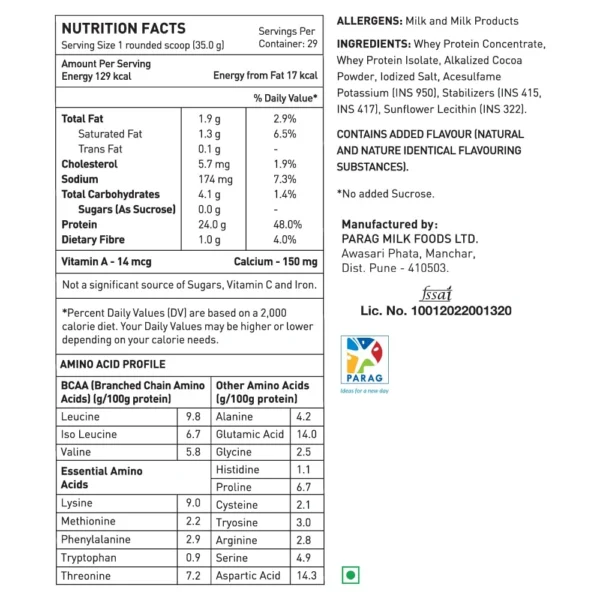
You need to eat enough protein for muscle growth , if you cannot complete your protein goal, then purchase this supplement.
Did You Know?
Sponsored
A single night of poor sleep (under 5 hours) can increase calorie intake by up to 300–500 extra calories the following day due to increased hunger hormones. Prioritising sleep is as important as any diet or workout plan.
Common Mistakes to Avoid When Losing Weight at Home
Relying Only on Exercise: You cannot out-exercise a poor diet. The majority of weight loss comes from what you eat. Fix the diet first.
Skipping Meals to Eat Less: Skipping meals slows your metabolism, causes muscle loss, and often leads to overeating later in the day. Eat regular, balanced meals instead.
Drinking Calories: Fruit juices, flavoured milk, energy drinks, and alcohol are full of calories that most people do not account for. Stick to water, black coffee, and plain tea.
Expecting Fast Results: Healthy, sustainable weight loss takes time. Expecting to lose 5 kg in two weeks leads to frustration and giving up. Set realistic goals: 2 to 4 kg per month.
Not Tracking Food Intake: Most people significantly underestimate how much they eat. Even for a few weeks, tracking your food with a free app like MyFitnessPal builds awareness of your actual calorie intake.
Doing the Same Workout Every Day: Your body adapts to routine exercise. Vary your workouts weekly to keep challenging your body and avoid plateaus.
Giving Up After One Bad Day: One day of eating poorly does not cancel your progress. What matters is consistency over weeks and months, not perfection on any single day.
How Much Weight Can You Lose at Home Without a Gym?
With a consistent approach to diet and home exercise, most people can realistically lose 2 to 4 kg per month. The exact result depends on your starting weight, calorie deficit, consistency, and how your individual body responds.
Timeline
Expected Weight Loss
What to Focus On
Week 1–2
1–3 kg (mostly water weight)
Establish routine, reduce sugar and processed food
Results slow down over time as your body becomes lighter and more efficient. This is completely normal. The key is to stay consistent, adjust your calorie intake as you lose weight, and not compare your progress to others.
Frequently Asked Questions
Below are the most commonly asked questions about how to lose weight without gym at home.
Can I lose wright wihout going to GYM?
Yes. Weight loss depends primarily on a calorie deficit — eating fewer calories than you burn. This is entirely achievable through a controlled diet, home workouts, and daily movement like walking. The gym is a tool, not a requirement. Thousands of people lose significant weight each year without ever setting foot in a gym.
How much weight can i lose at Home?
With a consistent calorie-controlled diet and regular home workouts, most people lose between 2 and 4 kg of fat per month. In the first week, you may notice a larger drop on the scale (up to 2–3 kg) due to water weight reduction from cutting sugar and refined carbohydrates. Sustainable fat loss is approximately 0.5–1 kg per week.
What should i eat to lose weight at home?
Focus on high-protein, high-fibre foods that keep you full without excess calories. Examples include eggs, paneer, moong dal, chicken, oats, brown rice, all vegetables, and low-sugar fruits like papaya and guava. Avoid sugary drinks, fried food, processed snacks, and maida-based items. Drinking water before meals and eating slowly also significantly reduce total calorie intake.
Sponsored
Final Thoughts
Learning how to lose weight without gym at home is not about finding a magic trick or a shortcut. It is about understanding the fundamentals — calorie deficit, clean eating, consistent movement, adequate sleep, and daily habits — and applying them with patience and discipline.
You do not need a gym membership, expensive supplements, or a personal trainer to get results. What you need is consistency. Start with one small change today — reduce your sugar intake, go for a 30-minute walk, sleep 30 minutes earlier. Build from there, and the results will follow.