Explore Best Diet, BMI Calculator, Workouts and Fitness Guide
We use cookies to ensure that we give you the best experience on our website.
Wait, Listen!!! Avail upto 50% Discount
All the products we recommend to you all are authentic. We provide you the best platform to purchase with upto 50% discount for you at no extra cost. If you purchase from our link, you will get discount
Creatine is a naturally occurring compound found in muscle cells that helps produce ATP — your body’s primary energy source during high-intensity exercise.
It is one of the most studied sports nutrition supplements in the world, with over 500 peer-reviewed studies confirming its safety and effectiveness.
Creatine supports muscle gain, strength, energy, recovery, and increasingly, cognitive function.
The recommended daily dose is 3–5 grams of creatine monohydrate.
It is safe for healthy adults, including women, vegetarians, and older adults.
Creatine is not a steroid, not a hormone, and not a protein supplement.
Table of Contents
You train hard. You eat right. You sleep adequately. But your progress has plateaued and you cannot figure out why.
If this sounds familiar, you are not alone. Millions of fitness beginners, athletes, and busy professionals across the USA, UK, Canada, and India face the exact same frustration. And one of the most effective, research-backed, and affordable solutions is something most people still misunderstand — creatine.
So what is creatine, exactly? Is it safe? Does it actually build muscle? And how is it different from protein?
This complete guide answers every question you have — clearly, scientifically, and without unnecessary jargon.
What Is Creatine? A Simple, Science-Backed Definition
Creatine is a naturally occurring organic compound made up of three amino acids — arginine, glycine, and methionine. Your body produces approximately 1–2 grams of creatine per day in the liver, pancreas, and kidneys. Additionally, you consume small amounts of creatine through food, primarily red meat and fish.
Creatine was first discovered by the French scientist Michel Eugène Chevreul in 1832, and nearly a century later, scientists confirmed that it plays a central role in energy production during muscle contraction.
Once produced or consumed, creatine travels through the bloodstream and is stored primarily in your skeletal muscle — about 95% of your body’s total creatine is stored there, with the remaining 5% in the brain, liver, and kidneys.
Sponsored
Creatine is not a protein. It is not a steroid. It is not an artificial chemical. It is a compound your own body produces and uses every single day.
How Does Creatine Work? Understanding ATP and Energy
To understand creatine, you first need to understand ATP (Adenosine Triphosphate).
ATP is the primary energy currency of every cell in your body. When you lift a weight, sprint, jump, or perform any intense physical activity, your muscles burn ATP at a rapid rate. The problem? Your muscles can only store a very small amount of ATP — enough for just 8 to 10 seconds of maximum effort.
This is where creatine becomes critically important.
Creatine and the Phosphocreatine Energy System
In your muscles, creatine combines with phosphate to form phosphocreatine (PCr). During brief, maximal exercise like sprinting, as much as 80% of ATP is produced via the creatine kinase reaction, where phosphocreatine donates a phosphate group to ADP (Adenosine Diphosphate) to rapidly regenerate ATP.
In simpler terms: creatine acts as a rapid battery recharger for your muscles.
Sponsored
Research published in PMC confirms that when creatine is supplemented, the loss of ATP during intense exercise was approximately 30% less compared to non-supplemented individuals — even after more total work was completed.
This means you can push harder, perform more repetitions, and recover faster between sets — all because your muscles have more phosphocreatine available to regenerate ATP on demand.
Creatine and the Brain
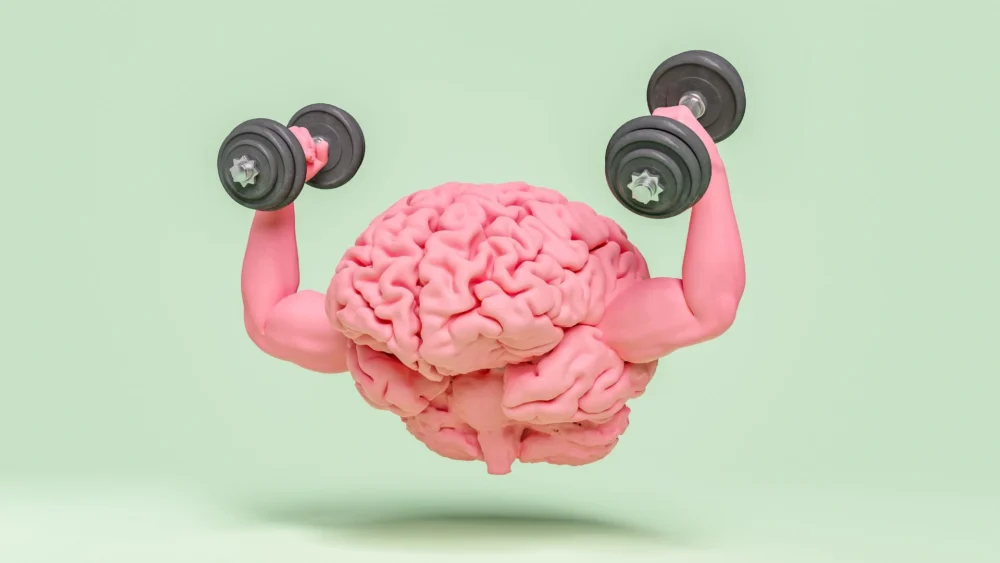
Creatine is gaining recognition far beyond athletic performance. Once seen as a gym-only supplement, it is now understood to play a vital role in cellular energy, cognitive function, and potentially mental health.
Because creatine helps the body regenerate ATP even in the absence of oxygen, researchers believe it may be neuroprotective in situations of insufficient blood flow to the brain — such as during concussion, traumatic brain injury, or stroke. Research is currently ongoing for conditions including ALS, multiple sclerosis, and Parkinson’s disease.
What Is Creatine Used For? 8 Proven Benefits
1. Significant Muscle Gain
This is the most well-known benefit of creatine supplementation. Boosting ATP production through creatine supplementation stimulates muscle growth, enhances recovery, and improves performance — especially when combined with a consistent resistance training programme.
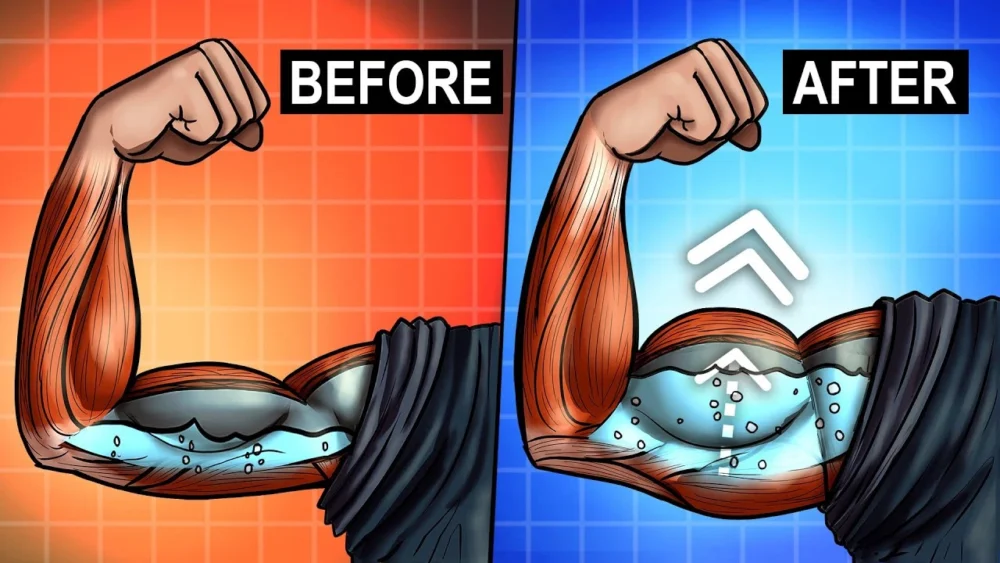
Creatine also draws water into muscle cells, increasing cell volume. This creates an anabolic environment that supports greater protein synthesis and lean muscle development over time.
2. Increased Strength and Power Output
A 2025 systematic review and meta-analysis published in the journal Nutrients, which searched PubMed, Scopus, and Web of Science, confirmed that creatine supplementation significantly improves both upper and lower body muscular strength and power in adults across a wide range of exercise modalities.
Sponsored
Practically, this means heavier bench press numbers, stronger squats, faster sprint times, and more reps before fatigue sets in.
3. Faster Recovery Between Workouts
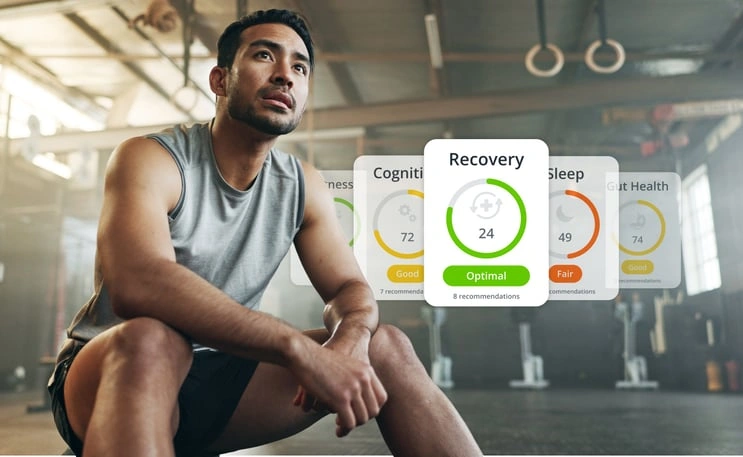
Creatine supports muscle glycogen replenishment when taken with carbohydrates, which accelerates recovery between training sessions and reduces post-exercise muscle soreness.
Consequently, athletes who supplement with creatine can train at higher frequencies and recover more effectively, leading to faster overall progress.
4. Enhanced Athletic Performance
It is well established that creatine supplementation leads to increased muscle phosphocreatine content, accelerated ATP resynthesis, and enhanced performance in short-duration, predominantly anaerobic intermittent exercise — making it especially valuable for competitive athletes.
This applies to sports including football, basketball, sprinting, swimming, martial arts, and any sport requiring bursts of high-intensity effort.
5. Supports Muscle Mass in Older Adults
A meta-analysis reviewing 20 studies with over 1,000 participants found that creatine monohydrate combined with resistance training improved total body mass, fat-free mass, and both upper and lower body strength in older adults — with research also indicating potential benefits for managing muscle and bone loss associated with ageing.
This makes creatine an important supplement not just for athletes, but for adults over 50 who want to preserve muscle mass and functional strength as they age.
Sponsored
6. Boosts Energy During High-Intensity Training
Many users report a noticeable improvement in energy levels and workout capacity within the first two to three weeks of supplementation. This is a direct result of increased phosphocreatine stores allowing faster ATP regeneration during training.
Moreover, this energy boost is not the same as caffeine. It is not a stimulant. It does not cause jitteriness, heart palpitations, or energy crashes.
7. Supports Cognitive Function
Emerging research is revealing creatine’s surprising potential for brain health. The brain, like skeletal muscle, has high energy demands and relies heavily on ATP recycling. Creatine plays a critical role in recycling ATP in brain tissue by converting ADP back to ATP via phosphate group donation — supporting mental energy, focus, and potentially mood stability.
8. Especially Beneficial for Vegetarians and Vegans
For vegans and vegetarians, who often have reduced creatine stores due to the absence of creatine-rich animal products in their diet, supplementation can improve both physical and cognitive performance while supporting adherence to a plant-based lifestyle.
This is a particularly important benefit for the large vegetarian population across India and for the growing vegan community worldwide.
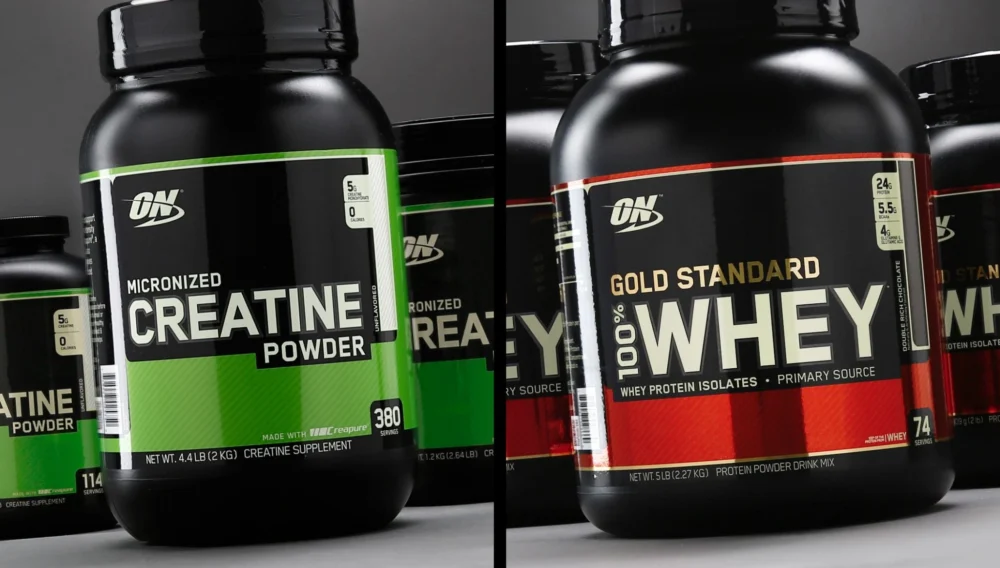
Creatine vs Protein: What Is the Difference?
This is one of the most common points of confusion for beginners. Creatine and protein are fundamentally different things that serve different purposes.
Feature
Creatine
Protein
What it is
Organic compound (amino acid derivative)
Macronutrient made of amino acids
Primary role
Regenerates ATP for energy
Builds and repairs muscle tissue
Timing
Any time daily (consistency matters)
Around workouts and meals
Calories
Zero calories
4 calories per gram
Best for
Strength, power, energy, recovery
Muscle building, satiety, overall health
Daily dose
3–5 grams
0.8–2.2 grams per kg of body weight
Vegan options
Yes (synthetic creatine is vegan)
Yes (pea, rice, soy protein)
Both creatine and protein are complementary, not competitive. For the best results, use both as part of a well-structured nutrition plan.
Sponsored
Types of Creatine: Which One Should You Choose?
Several forms of creatine are available in the market today. Here is a clear breakdown:
Creatine Monohydrate (Best Choice for Most People)
This is the original, most studied, and most cost-effective form of creatine. Over 95% of all creatine research has been conducted using creatine monohydrate. It is the form recommended by the International Society of Sports Nutrition (ISSN) as the gold standard.
Micronised Creatine Monohydrate
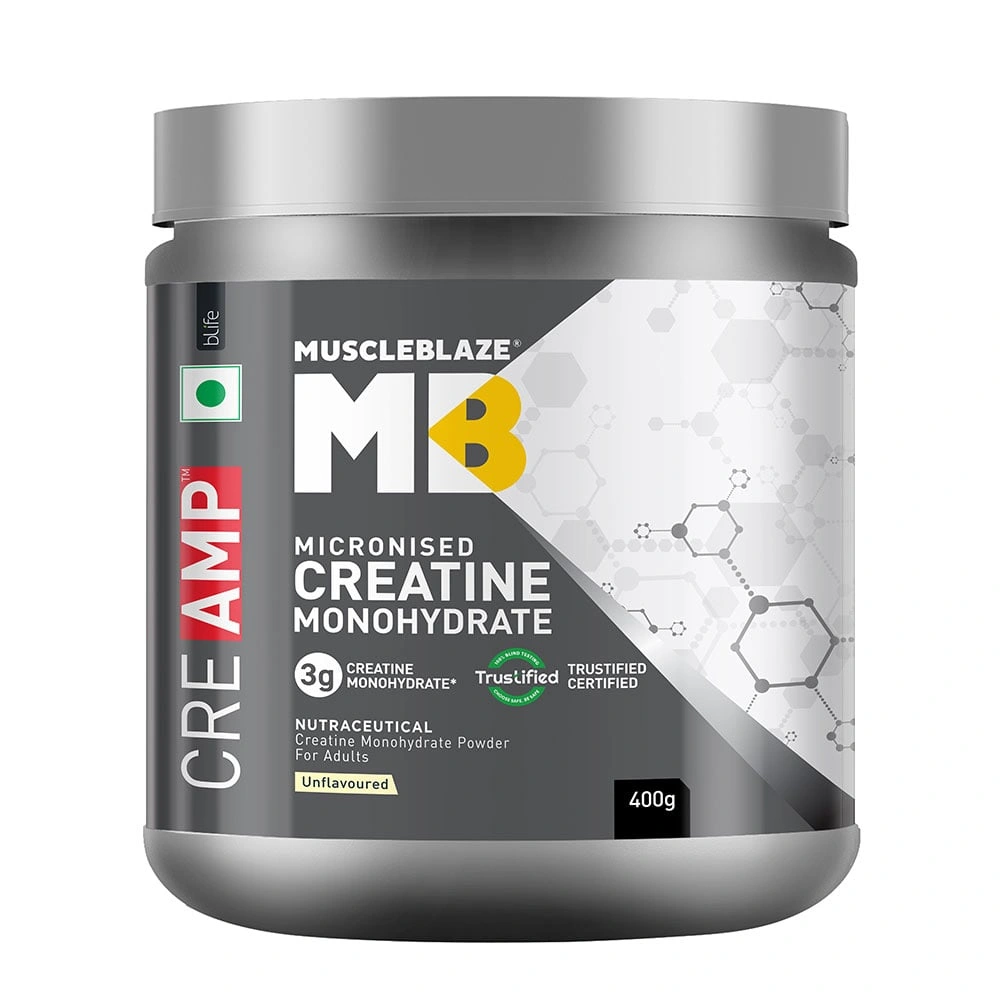
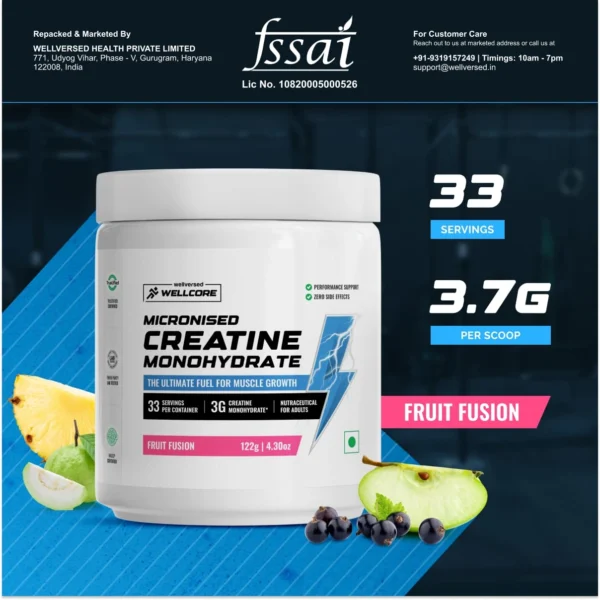
This is regular creatine monohydrate with smaller particle sizes, which improves solubility and absorption. It mixes better in water and causes less digestive discomfort for sensitive individuals.
Creatine HCL (Hydrochloride)
Creatine HCL is more soluble in water and may cause less bloating. However, it is significantly more expensive and has far less research behind it compared to monohydrate.
Creatine Ethyl Ester
This form has largely fallen out of favour due to research suggesting it is actually less effective than standard creatine monohydrate at increasing muscle creatine levels.
Bottom line: Unless you have a specific reason to choose otherwise, creatine monohydrate is your best, most evidence-backed option.
How to Take Creatine: Step-by-Step Beginner Guide
Step 1 — Choose Your Form
Select a high-quality creatine monohydrate or micronised creatine monohydrate from a reputable, third-party tested brand. Look for products that are FSSAI approved (India), NSF Certified, or Informed Sport certified (USA/UK).
Sponsored
Step 2 — Decide on Loading vs Maintenance
Option A — With Loading Phase:
Week 1 (Loading): Take 20 grams per day, split into 4 doses of 5 grams each, for 5 to 7 days.
Week 2 onwards (Maintenance): Take 3 to 5 grams per day.
Loading saturates your muscle creatine stores faster — you may notice effects within the first week.
Option B — Without Loading Phase (Recommended for Beginners):
Take 3 to 5 grams per day, every day, without a loading phase.
Muscle creatine stores will reach saturation within 3 to 4 weeks.
This approach is gentler on the stomach and produces the same long-term results.
Step 3 — Mix and Consume
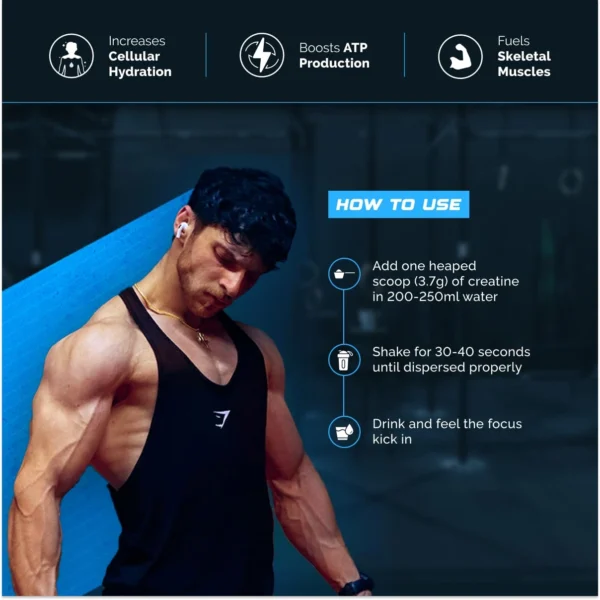
Dissolve your creatine in 200–300 ml of water, juice, or your protein shake. Stir or shake well. Consume once daily at any time that fits your routine.
Step 4 — Stay Consistent
Creatine works through saturation of your muscle stores. Missing days reduces its effectiveness. Take it every single day — including rest days.
Step 5 — Drink Adequate Water
Creatine draws water into muscle cells. Consequently, it is important to increase your daily water intake to at least 3 litres per day to prevent dehydration and support kidney health.
Pro Tips for Maximum Creatine Results
Pro Tip 1: Take creatine post-workout on training days. Research suggests that post-workout creatine supplementation may produce slightly better muscle composition results compared to pre-workout timing.
Pro Tip 2: Pair creatine with a source of carbohydrates. Insulin spikes caused by carbohydrate intake enhance creatine uptake into muscle cells.
Sponsored
Pro Tip 3: You do not need to cycle creatine. Long-term continuous use at 3 to 5 grams per day is safe and effective. Cycling (taking breaks) is not required or recommended by sports nutrition organisations.
Pro Tip 4: If you experience bloating with standard creatine monohydrate, switch to micronised creatine. The smaller particles are easier on the digestive system.
Pro Tip 5: Combine creatine with a consistent resistance training programme and adequate protein intake. Creatine without training produces minimal results.
Is Creatine Safe? Addressing Common Concerns
Is Creatine Safe for Long-Term Use?
Yes. The Gatorade Sports Science Institute notes that creatine has been studied extensively for over 25 years, with consistent findings confirming its safety and efficacy for healthy adults when used at recommended doses.
Does Creatine Damage the Kidneys?
This is the most persistent myth about creatine. Current evidence does not support the claim that creatine supplementation at recommended doses causes kidney damage in healthy individuals. However, individuals with pre-existing kidney conditions should consult a doctor before supplementing.
Does Creatine Cause Bloating?
Some users experience mild water retention in the first week of supplementation, particularly during a loading phase. This is temporary and is a result of increased water being drawn into muscle cells — not fat gain. Switching to micronised creatine or skipping the loading phase typically eliminates this concern.
Is Creatine a Steroid?
Absolutely not. Creatine is a naturally occurring compound, not a synthetic hormone. It is legal, unscheduled, and not classified as a banned substance by any major sports governing body including WADA, the IOC, or the BCCI.
Sponsored
Can Women Take Creatine?
Yes. Creatine is safe and effective for women. It does not cause masculinisation. Research shows women benefit from improved strength, endurance, and recovery — similar to men — without unwanted side effects.
Who Should Take Creatine?
Creatine is appropriate and beneficial for:
Beginners starting a resistance training or weight loss programme
Athletes in power-based and team sports
Busy professionals who want to maximise results from shorter workouts
Vegetarians and vegans who have naturally lower muscle creatine stores
Adults over 50 looking to preserve muscle mass and functional strength
Individuals looking to improve focus and cognitive energy
Creatine is generally not recommended for:
Children and teenagers (consult a paediatrician first)
Pregnant or breastfeeding women (consult your doctor)
Individuals with diagnosed kidney or liver disease (medical supervision required)
Frequently Asked Questions
What is creatine and what does it do?
Creatine is a naturally occurring compound stored in your muscles that helps rapidly regenerate ATP — your body’s primary energy molecule. Supplementing with creatine increases your muscle’s phosphocreatine stores, allowing you to train harder, build muscle faster, recover more quickly, and potentially improve cognitive function.
How long does it take for creatine to work?
With a loading phase of 20 grams per day for 5 to 7 days, you may notice increased energy and strength within the first week. Without loading, taking 3 to 5 grams daily, most people notice measurable improvements in strength and muscle gain within 3 to 4 weeks of consistent use.
Is creatine the same as protein?
No. Creatine and protein are completely different. Protein is a macronutrient that builds and repairs muscle tissue. Creatine is an organic compound that regenerates ATP for energy during high-intensity exercise. Both serve different functions and can be used together for optimal results.
Can I take creatine without working out?
Technically yes, but the benefits will be minimal. Creatine works best when combined with consistent resistance training. Without exercise stimulus, increased creatine stores in the muscle have little to act upon.
Sponsored
What is the best type of creatine to buy?
Creatine monohydrate is the most researched, most effective, and most affordable form of creatine. For better mixability and reduced bloating, choose micronised creatine monohydrate. Look for third-party tested products from reputable brands to ensure purity and quality.
Final Thoughts: Is Creatine Worth It?
After more than 500 peer-reviewed studies spanning over 25 years of research, the answer is clear: creatine works. It is one of the very few sports supplements with genuine, consistent, and reproducible scientific evidence behind it.
Whether you are a fitness beginner trying to lose weight and build lean muscle, an athlete chasing a performance edge, or a busy professional who wants to get the most out of every workout — creatine monohydrate is a safe, affordable, and highly effective addition to your supplement routine.
Start with 3 to 5 grams per day, stay consistent, train hard, eat well, and give it 4 to 6 weeks. The results will speak for themselves.
Ready to take the next step on your lean life journey?
Read our detailed guide on [Best Creatine Supplements in India 2026] or explore our [Beginner’s Home Workout Plan] to get started today.
Medical Disclaimer: The information provided in this article is for educational and informational purposes only and is not intended as medical advice. Creatine supplementation may not be appropriate for all individuals. Always consult your physician, registered dietitian, or qualified healthcare provider before beginning any new supplement, especially if you have a pre-existing medical condition, are pregnant, breastfeeding, or are under the age of 18. Individual results may vary. Statements in this article have not been evaluated by the FSSAI, FDA, or any other regulatory authority unless explicitly noted.







 Free Delivery
 14 Days Return
 Pay on Delivery
 Shipped within 1 day. Free shipping on orders above ₹350.
 Increases muscular strength and power